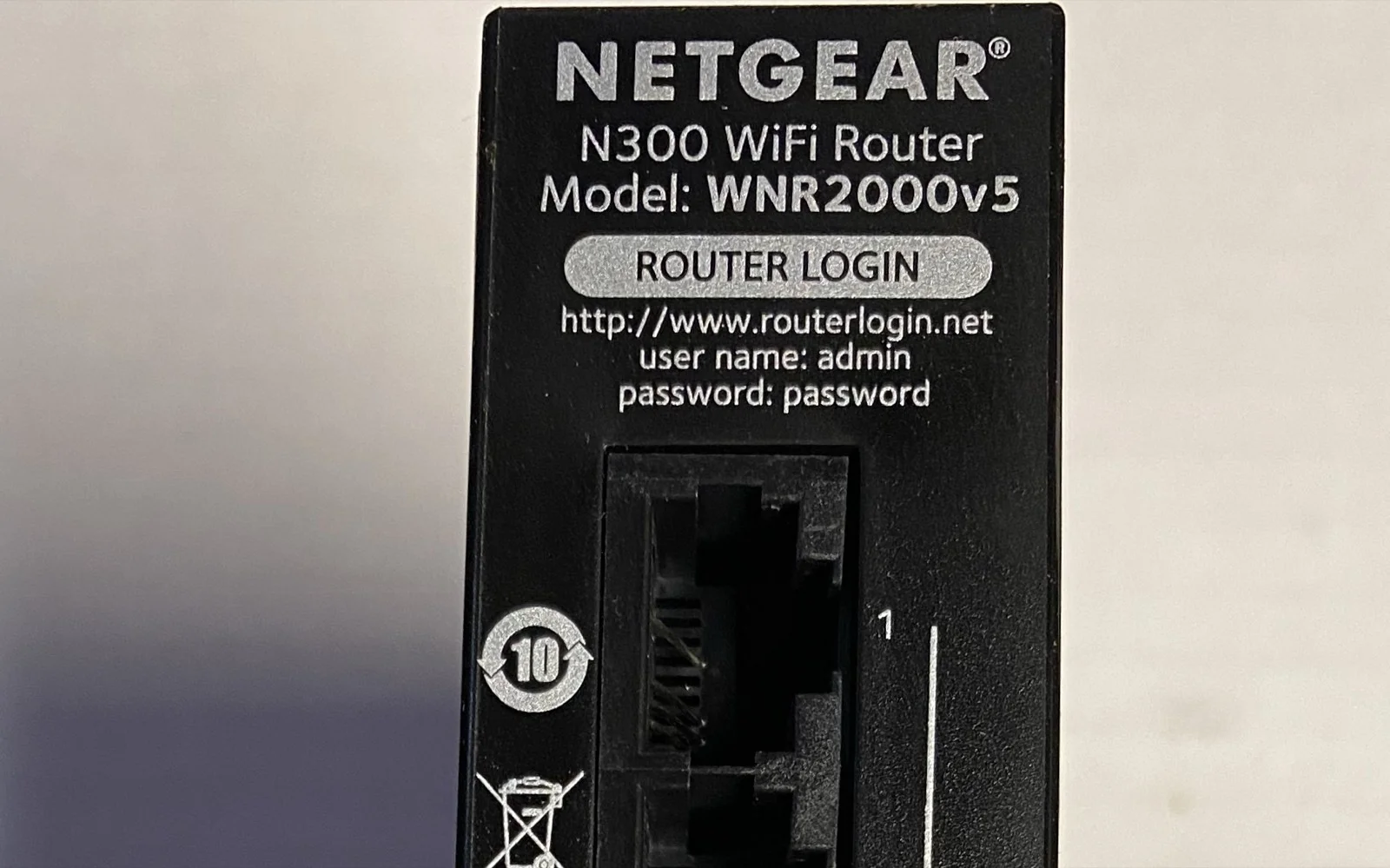
The fridge panic and good cybersecurity practices

On 2 November 2026 a second wave of attacks on supermarket fridges reached at least six European countries. Around the same time the plasma cold rooms of the French blood service were hit, and the Pentagon is investigating similar failures at US bases. The French and British agencies explain, however, that internet-exposed controllers and weak or default passwords were enough to get in. What is known about the attack and which practices would have stopped it.

Read more
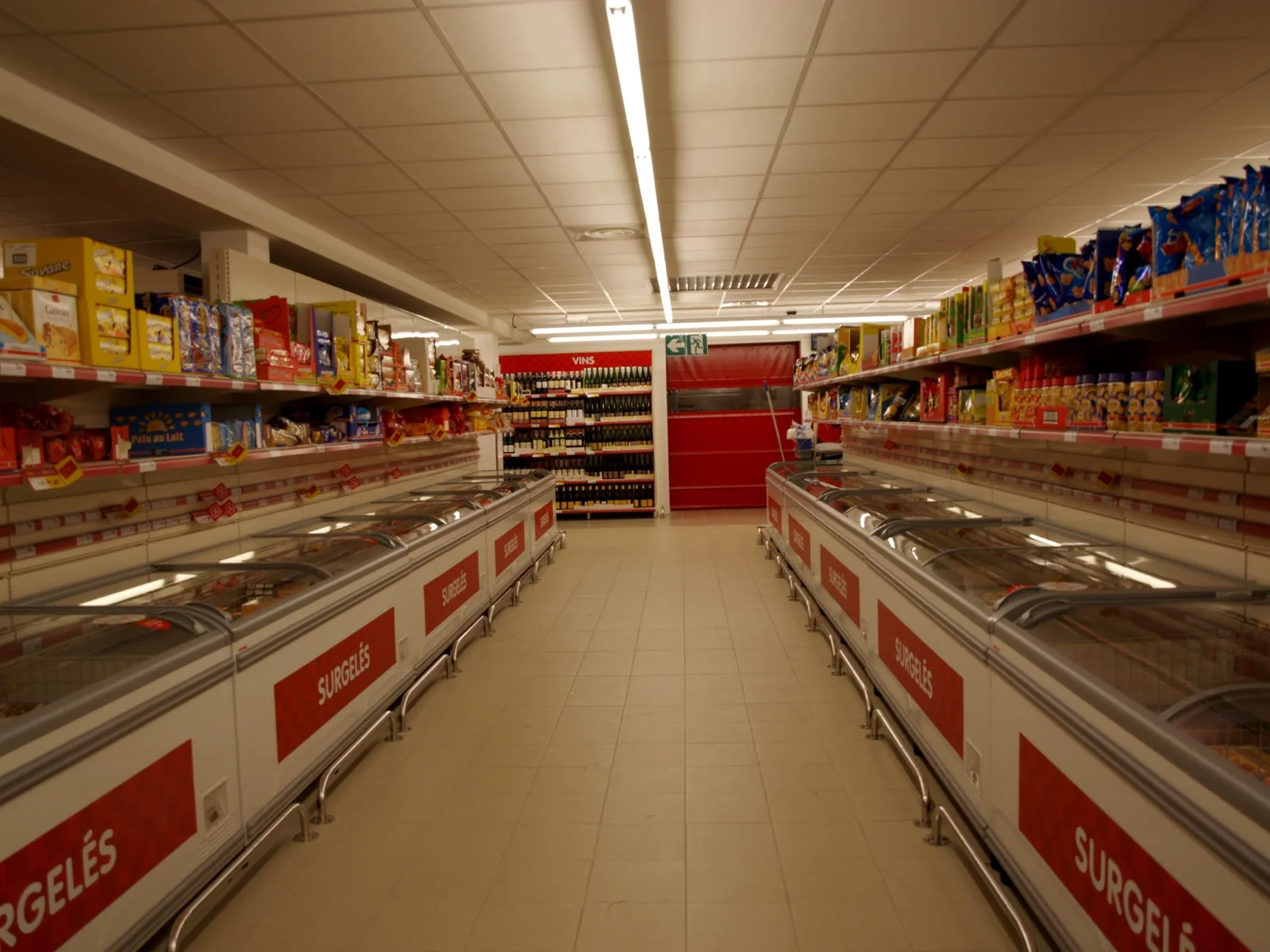

After supermarket fridges, more will follow

On the night of 11 to 12 October 2026 an attack on remote refrigeration controllers heated up display fridges and freezers in about 400 French supermarkets. What was hit, why the risk had been known for more than a year and why the speed at which we connect physical systems to the network widens the attack surface.

Read more

When people's safety depends on a piece of software

A computer vision system watching a shipyard, in its more advanced configurations, stops the machine. From that moment the integrity and availability of a piece of software become conditions of the physical safety of the people working there. The Triton precedent, requirement 1.1.9 of the Machinery Regulation, and what the data on ransomware-hit hospitals actually shows.

Read more