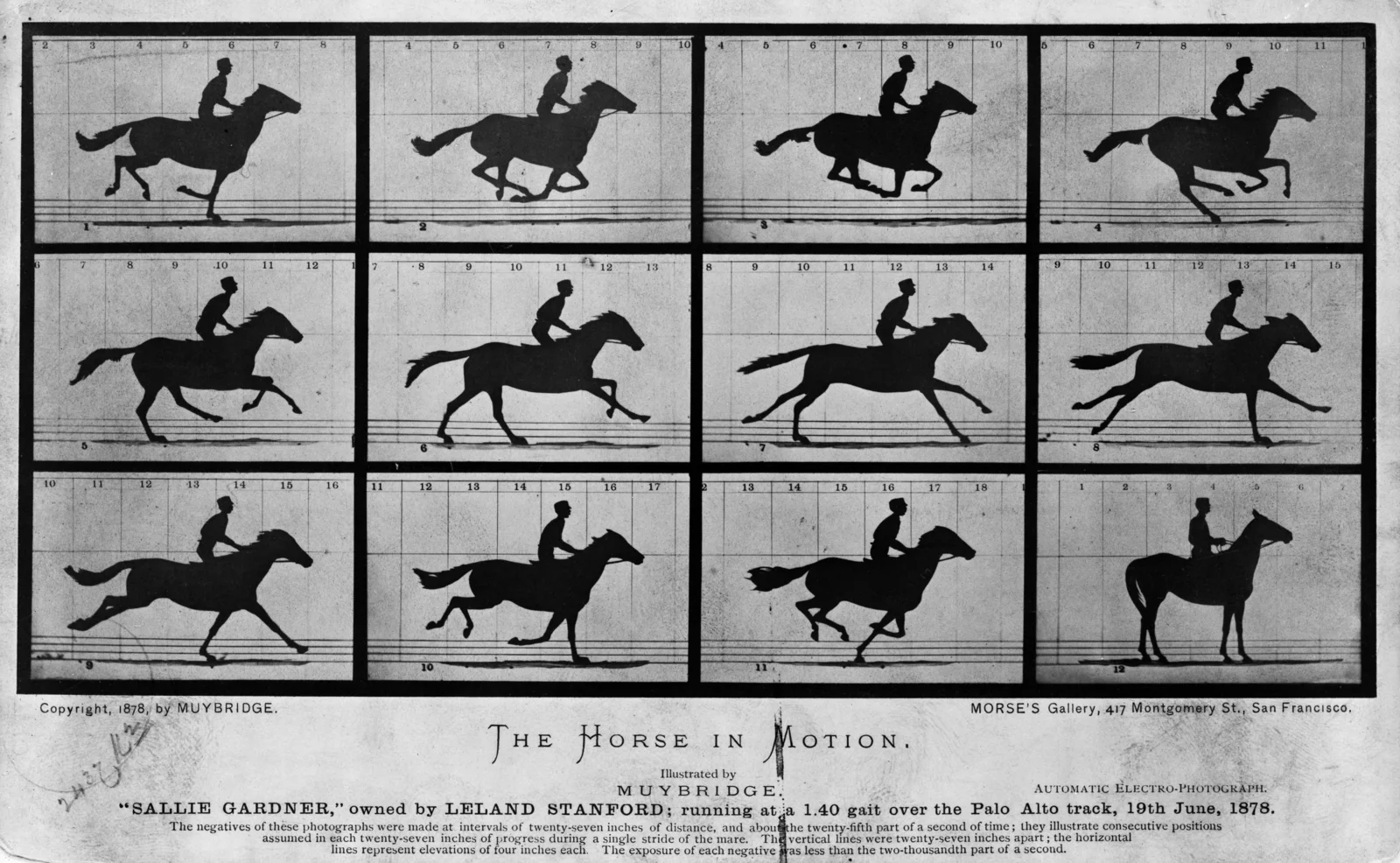
A two-speed world

On 13 October 2026 Anthropic described how it replaced git in its monorepo, which went from 2,500 to more than 30,000 merged changes a day in four months. It follows on from Intelligence is eating software: work now runs on two lanes, an agentic one and a human one, and governing the first becomes the priority of the second.

Read more
AI and the rest of the economy

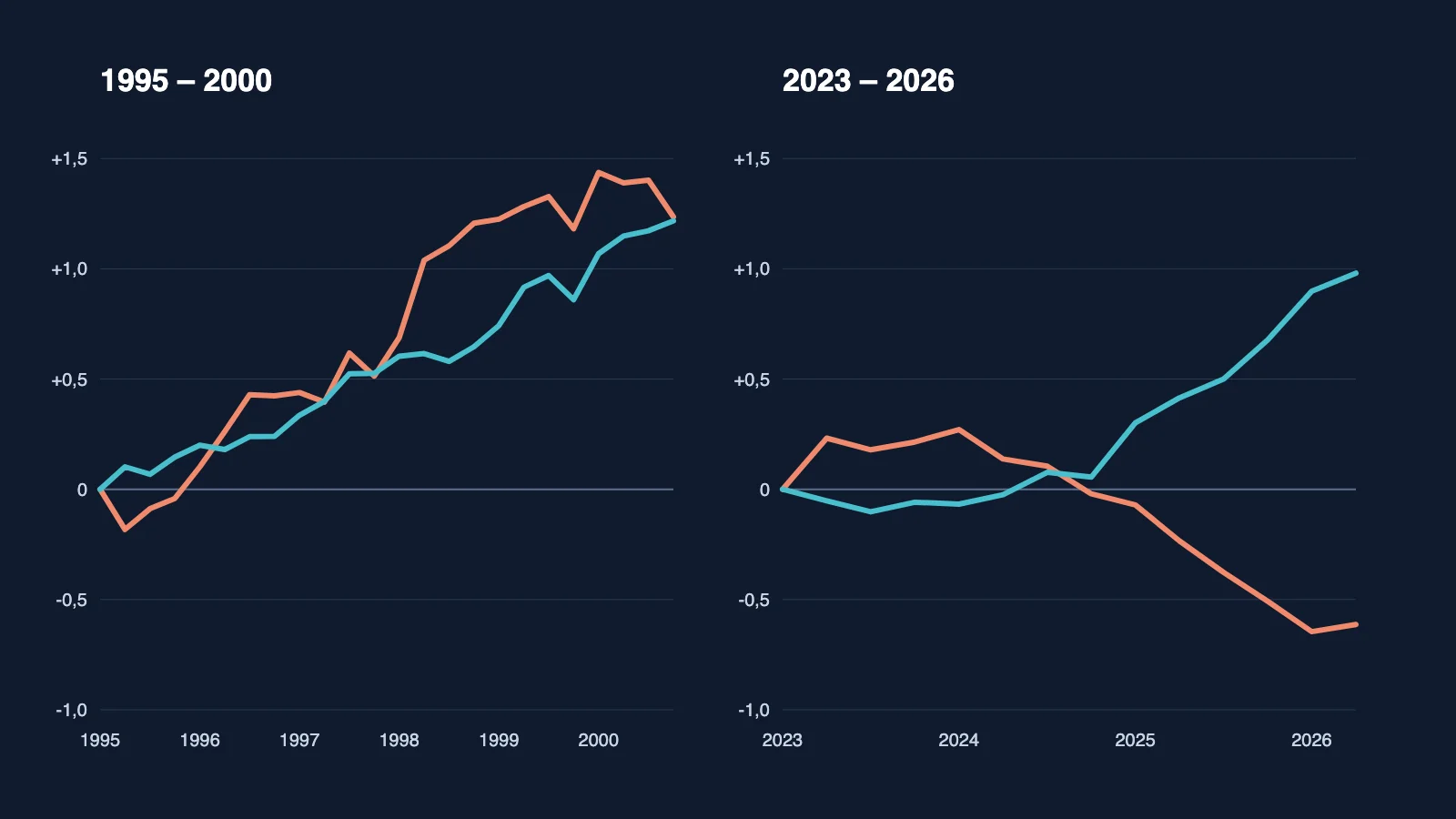
On 6 October 2026 Paul Krugman used the US national accounts to show how data-centre spending is crowding out other investment. The same signal appears in interest rates, electricity bills, memory prices and the hiring of young workers. The economic effects of AI now reach every sector, and so does the work to be done on the governance and security of the new systems.

Read more

Is the world we knew really over?

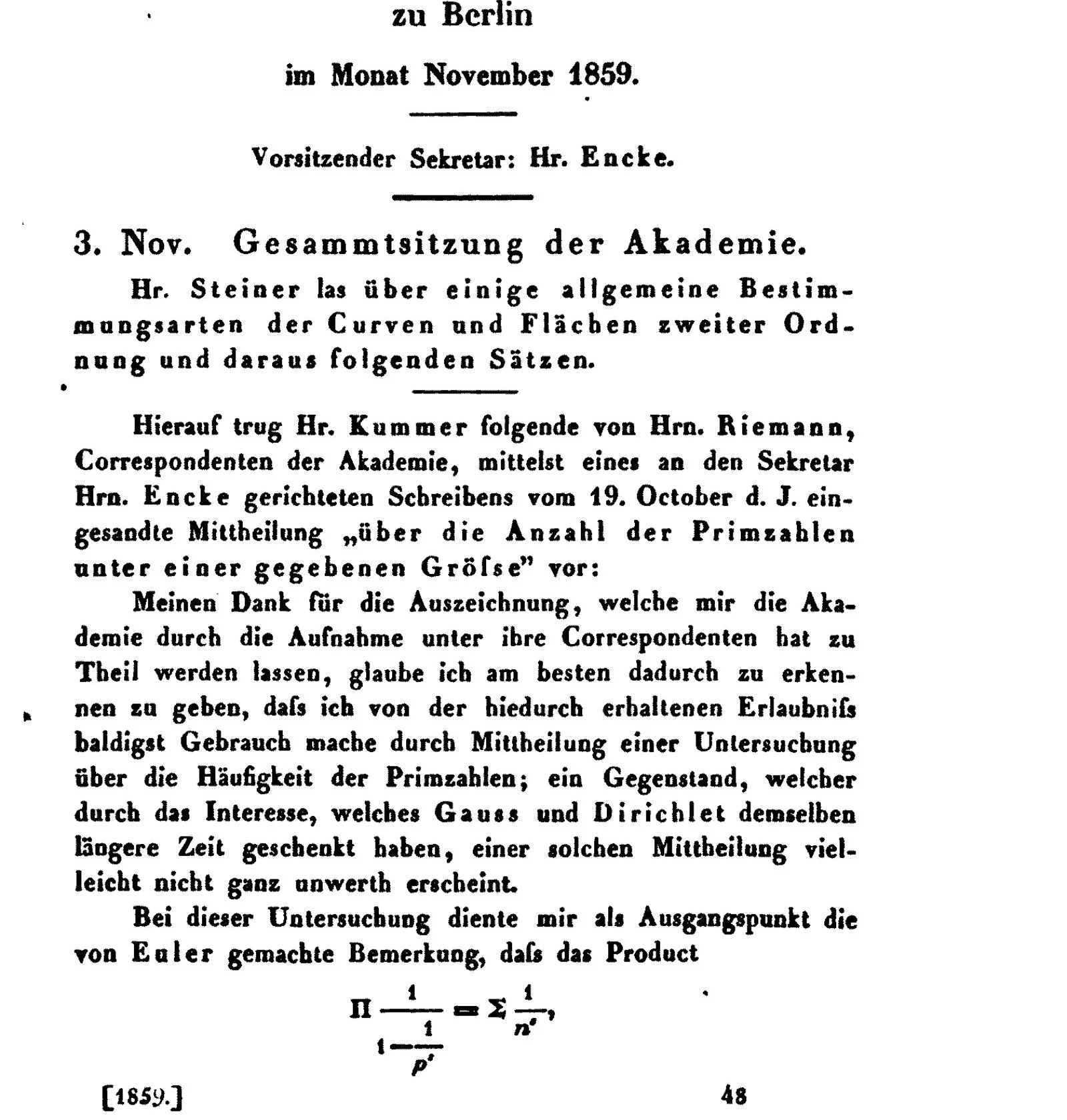
On 6 October 2026 OpenAI published 722 mathematics manuscripts produced by an internal model, including claimed proofs of the Unique Games Conjecture and of a weak form of the Riemann hypothesis, with Lean formalisations for 235 of 372 families. For mathematics as the production of proofs, a phase is closing. For the rest of the world, the consequences travel by slower roads.

Read more

AI is already building the AI that comes next

On 28 September 2026 twenty-two researchers, including Geoffrey Hinton, Yoshua Bengio, OpenAI's chief scientist and an Anthropic co-founder, published a Cambridge paper on an intelligence explosion triggered by the automation of AI research. What it argues and why the premise of its "what if" is already a measurement.

Read more

A new family of enzymes found by agents reading DNA

On 23 September 2026 Anthropic published the preprint of an autonomous agent campaign that swept 1.9 billion protein clusters in twenty-one and a half hours and isolated ART, a family of phage reverse transcriptases with a run of non-coding repeats beside it. How the campaign is built, how well it holds up when repeated, and what still has to be settled at the bench.

Read more

Will we all die?

The question has been going around for a week, between an Anthropic researcher's resignation, the extinction percentages that made it into the papers, Dario Amodei's plan for pacing the frontier and a declaration by a group of Fields medallists. My answer is no. That probability is not a measurable quantity whereas July's failures are, and the scenario that worries me is a very powerful, obedient system in the wrong hands.

Read more

Zuckerberg's AI manifesto

On 10 August 2026 Mark Zuckerberg published a letter on personal superintelligence, without a single note or citation. Three points can be checked: the governance he announces, the cybersecurity episode the text cites and the proposal on intermediate checkpoints. What the documents show.

Read more

Ten proofs and the program that checks them

On 1 August 2026 OpenAI published 249 pages with ten results in mathematics and theoretical computer science, together with a repository holding a formal Lean 4 proof for each main result. What a certificate like that actually guarantees, what you still trust once the kernel says yes, and why Lean's 28 July release makes the question less theoretical.

Read more

Containing a model when containment is software

In OpenAI's account of the mid-July 2026 Hugging Face incident, the models under evaluation left the test environment by exploiting a zero-day in an internal proxy. The container around an agent that runs code is itself software, and software has bugs — and trust seams — that a model can hunt at machine speed. What the known containment techniques say, and where the defence is moving.

Read more

The personal second brain

Luhmann's ninety thousand slips sit in two boxes and include the bibliography and the index. The criticism of the method predates the book that made it popular by eight years. And in 2026 several tools promising local notes plus AI stopped or split in two: Reor archived, Khoj Cloud shut down, Logseq separated into two versions.

Read more

A FINRA for frontier AI: Hassabis's framework

On 14 July 2026 Demis Hassabis published a personal manifesto on X putting AGI 'a few short years away' and proposing a US-led standards body modelled on FINRA: model review up to 30 days before release, agentic tests for guardrail bypass and deception, a board of independent experts and open-source representatives. What it contains and what it leaves open.

Read more

The machinic unconscious, taken literally: reading a language model's unspoken thoughts

Anthropic's research on the global workspace of language models gives a causal handle on a distinction philosophy has circled for a century: between the thoughts a system can report and the vast automatic substrate it cannot see. Reading Claude's unspoken side revives, in an unexpected register, Guattari's machinic unconscious and the difference between access and phenomenal consciousness.

Read more