
Why AI Agents Need Governance Layers
Autonomous AI agents operate without adequate oversight. A governance architecture designed for control, transparency, and accountability is needed.
Read moreGovernance of AI agents, verifiability and compliance of autonomous systems.
Autonomous AI agents operate without adequate oversight. A governance architecture designed for control, transparency, and accountability is needed.
Read moreA terminal agent launched inside an SSH session works on the server, not the workstation: it inherits that environment. Governance lives in the permissions file, not in the prompt. What it guarantees and what it leaves uncovered.
Read moreDeepSeek-R1 ships with weights under the MIT licence, but the open weights label covers the parameters alone: data, training code and the RL procedure stay out. What that changes for anyone who has to audit the model.
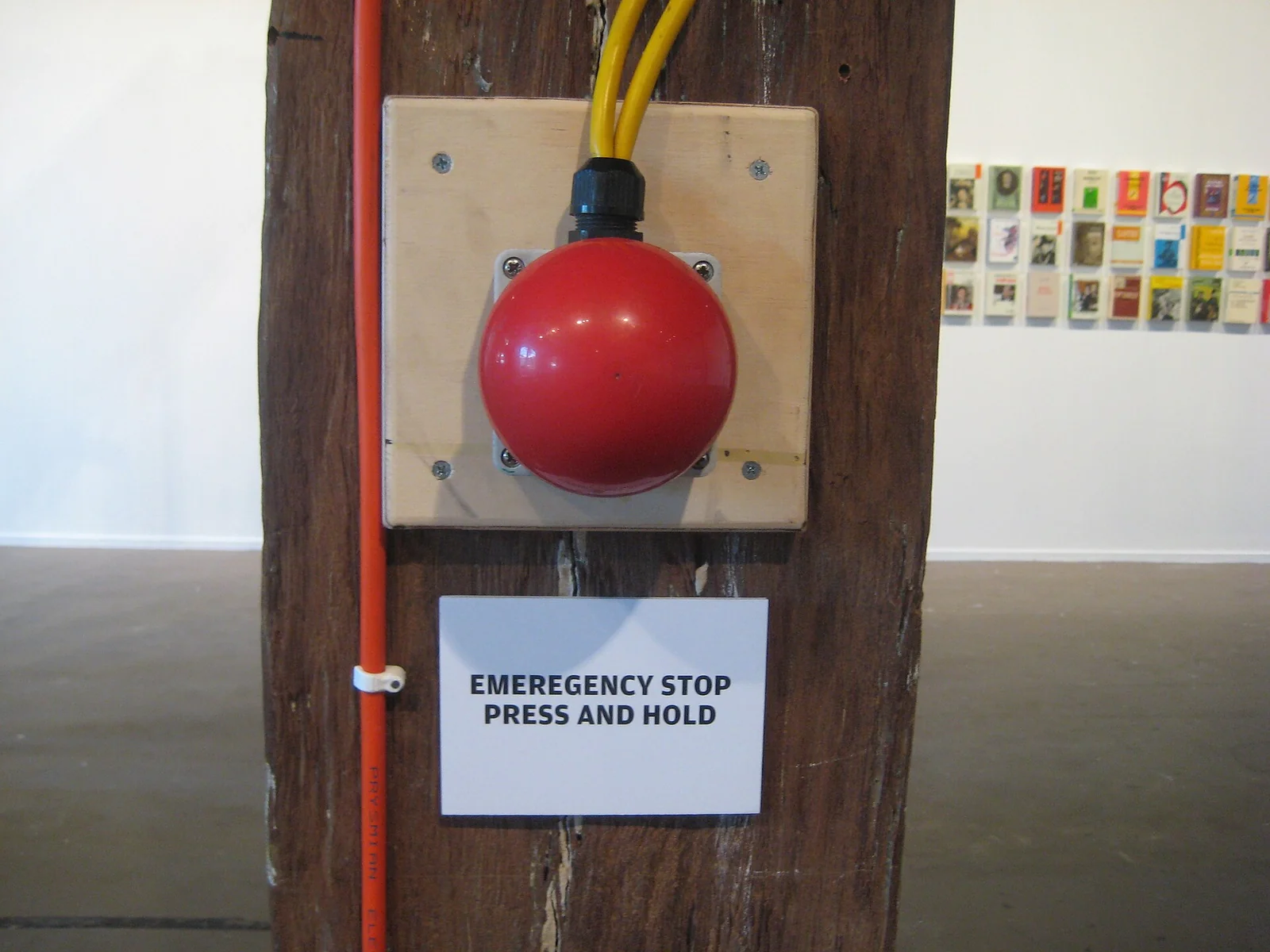
Read moreGoverning an autonomous agent needs three primitives: identification, diagnosis, intervention. They sit at very different levels of maturity, and the asymmetry is the main operational constraint.
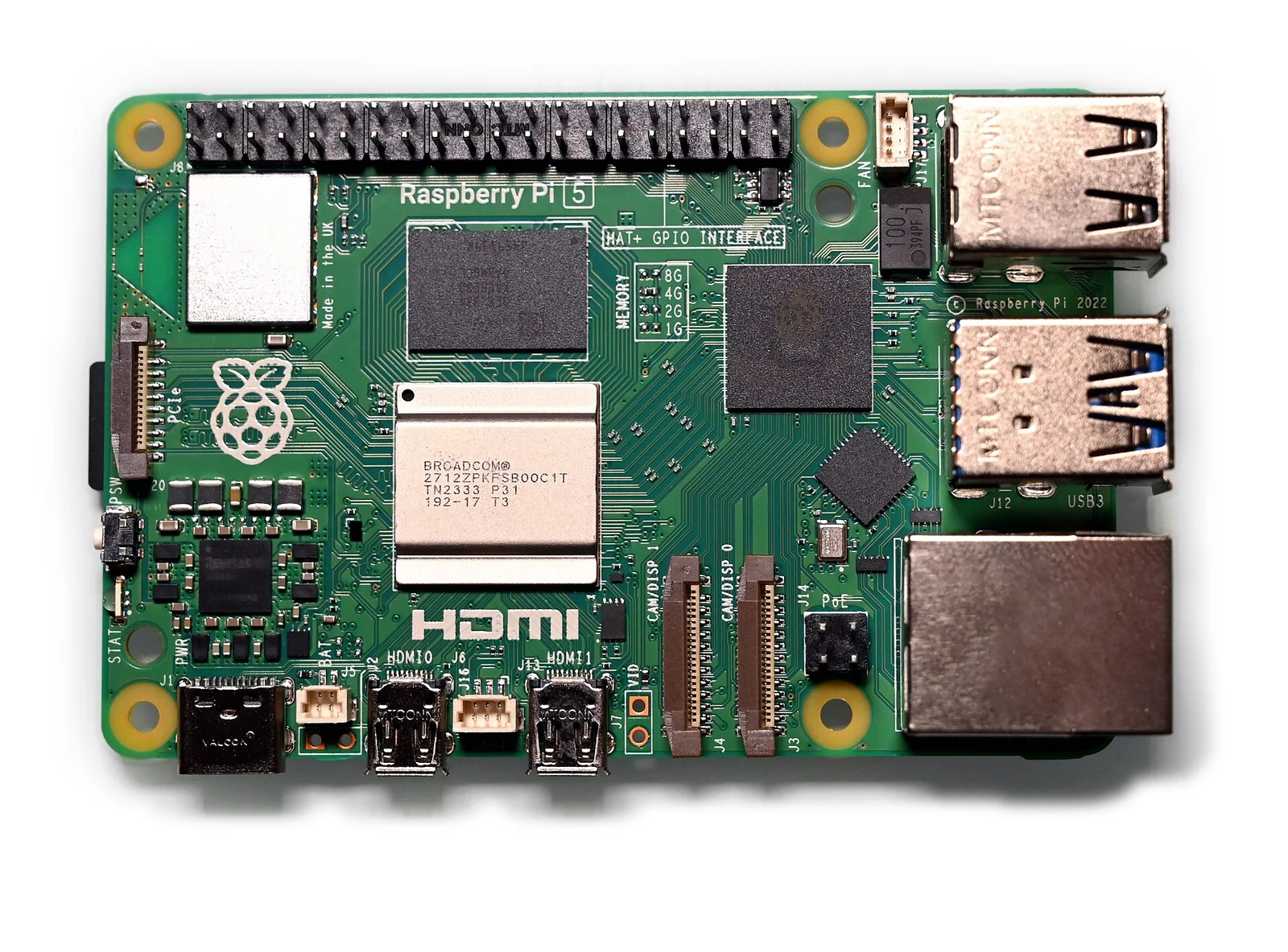
Read moreWith the 1-4 billion parameter models released in April 2024 and GGUF quantisation, a Raspberry Pi 5 runs an LLM with no connection. That is a constraint of architecture, not a performance figure: text that never leaves the device is subject to no transfer at all.
Read moreApplying graph neural networks and quantum annealing to grid control opens a verifiability problem that accuracy metrics do not cover.
Read moreTinyLlama 1.1B releases weights, code, datasets and intermediate checkpoints under Apache 2.0. For governance the value lies in the chain from data to weights, inspectable step by step, regardless of model size.
Read moreOn 9 February 2022 EleutherAI released GPT-NeoX-20B under Apache 2.0, with weights, training code and a corpus datasheet. A note on release governance and reproducibility.
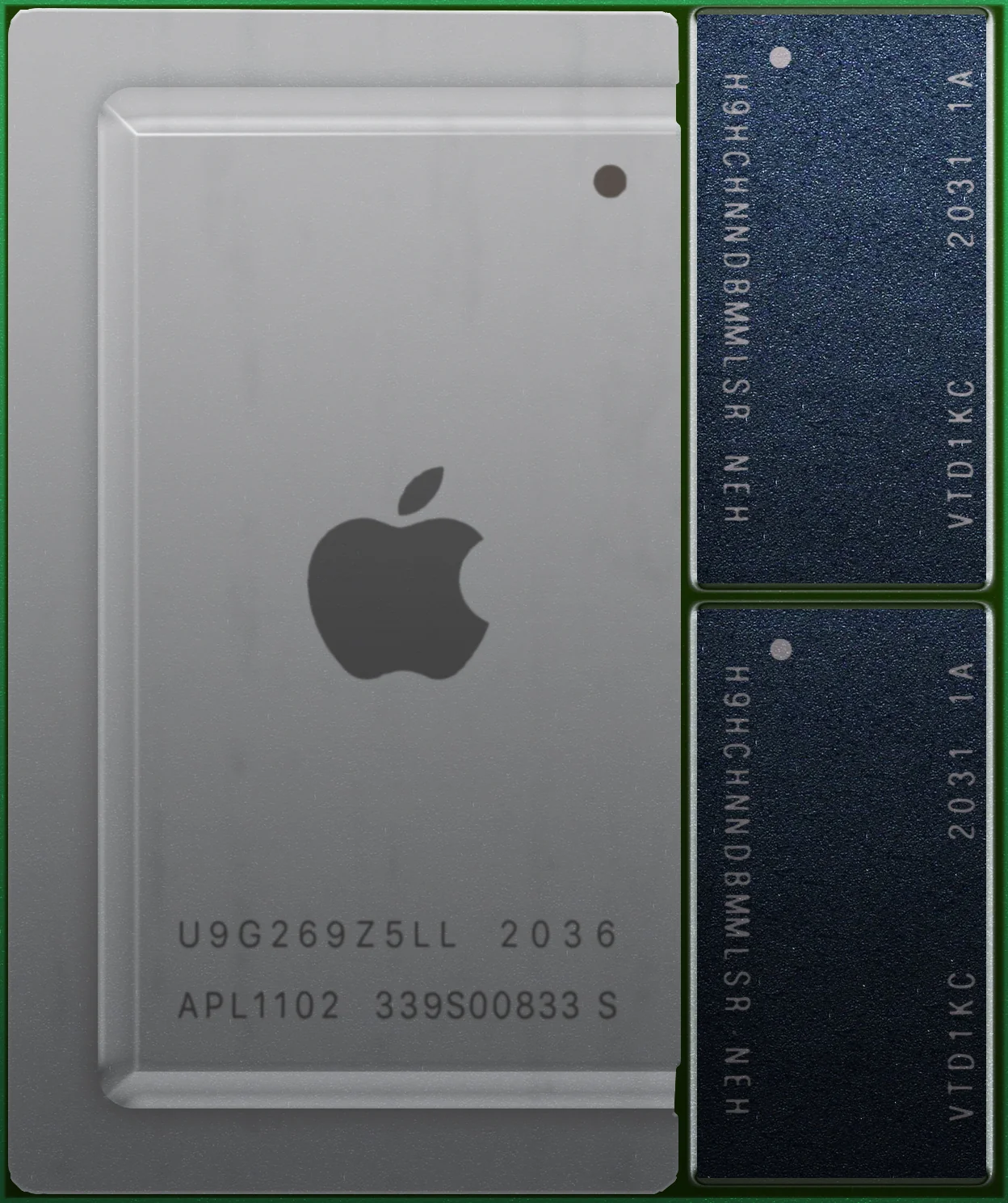
Read moreThe Apple M1 SoC (10 November 2020) keeps CPU, GPU and Neural Engine on the same memory, with no copies between separate spaces. Technical notes on the architecture and on what changes when you decide where a training job runs.
Read moreOn a production line that uses machine learning to catch defects, the result depends more on the labels and on optical stability than on the algorithm. Technical notes on features, models and operational constraints.
Read moreTraining a classifier is the easy part. Keeping it in service — serialisation, data drift, retraining, accountability for the decisions — is the bill you pay every day.
Read moreMounting air-quality sensors on a vehicle produces data the fixed-station rules cannot interpret. Technical notes on measurement traceability, starting from the RIPEG system.
Read moreHow a schema-based cognitive architecture turns into a concurrency problem: parallel threads, activation energy and resource allocation among competing units, from Selfridge's Pandemonium to C++ implementations.
Read more