2026

Free software under the Cyber Resilience Act

On 27 July 2026 the Commission published its guidance on applying the Cyber Resilience Act. Chapter 3 devotes fifty paragraphs to free and open-source software, setting out two cumulative conditions for a project to count as FOSS under the regulation, where the line falls between contributing and being answerable, and which obligations reach foundations and stewards depending on the support they provide.

Read more

Ten proofs and the program that checks them

On 1 August 2026 OpenAI published 249 pages with ten results in mathematics and theoretical computer science, together with a repository holding a formal Lean 4 proof for each main result. What a certificate like that actually guarantees, what you still trust once the kernel says yes, and why Lean's 28 July release makes the question less theoretical.

Read more

Software that measures coronary plaque

On 29 July 2026 the FDA granted De Novo authorisation to the first device that quantifies coronary inflammation from CT. It is the latest step in a shift of the cardiology target from stenosis to the vessel wall, backed by plaque analysis software already reimbursed in the United States. What is validated, what is not, and what is still missing.

Read more

When people's safety depends on a piece of software

A computer vision system watching a shipyard, in its more advanced configurations, stops the machine. From that moment the integrity and availability of a piece of software become conditions of the physical safety of the people working there. The Triton precedent, requirement 1.1.9 of the Machinery Regulation, and what the data on ransomware-hit hospitals actually shows.

Read more

Containing a model when containment is software

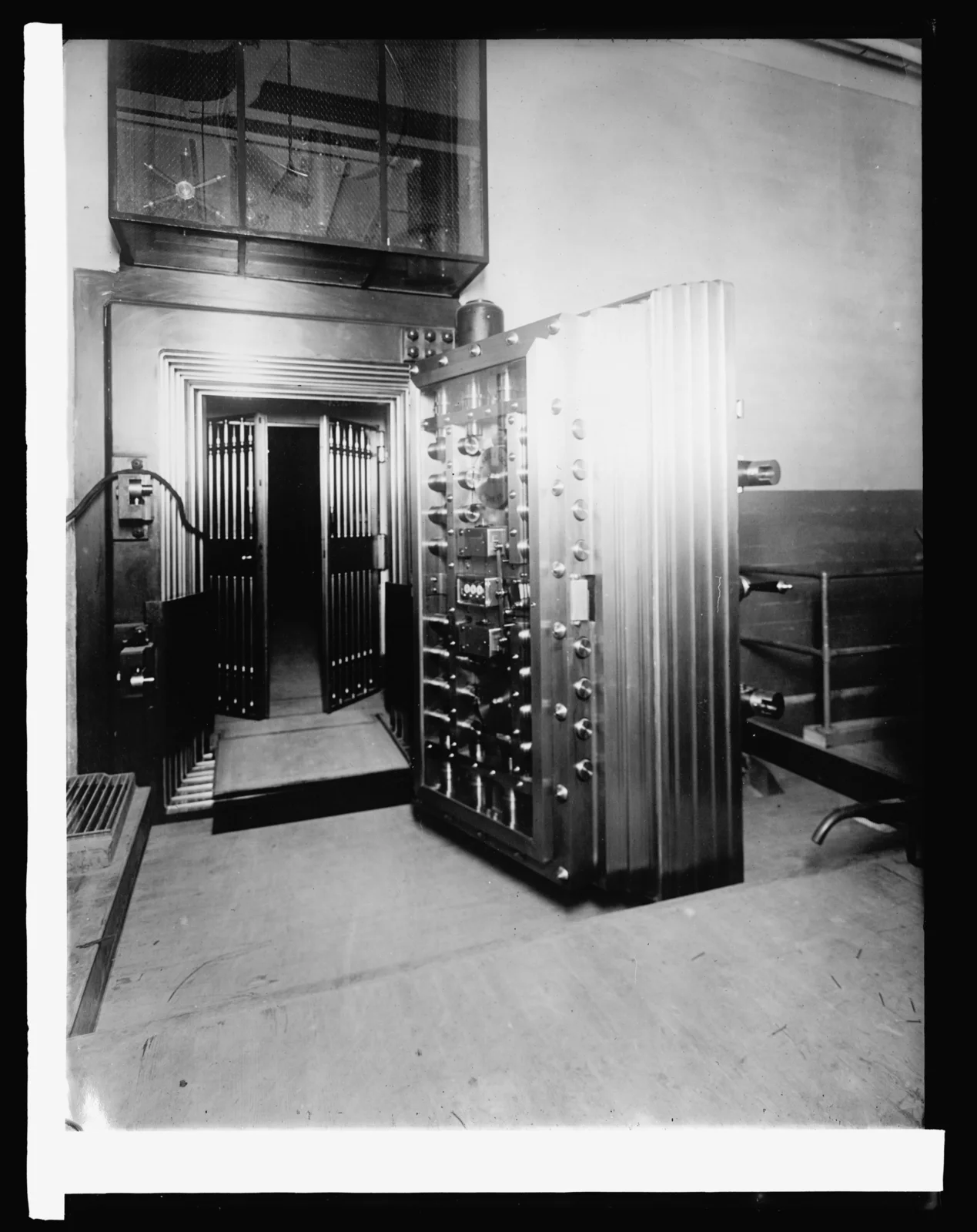
In OpenAI's account of the mid-July 2026 Hugging Face incident, the models under evaluation left the test environment by exploiting a zero-day in an internal proxy. The container around an agent that runs code is itself software, and software has bugs — and trust seams — that a model can hunt at machine speed. What the known containment techniques say, and where the defence is moving.

Read more

The personal second brain

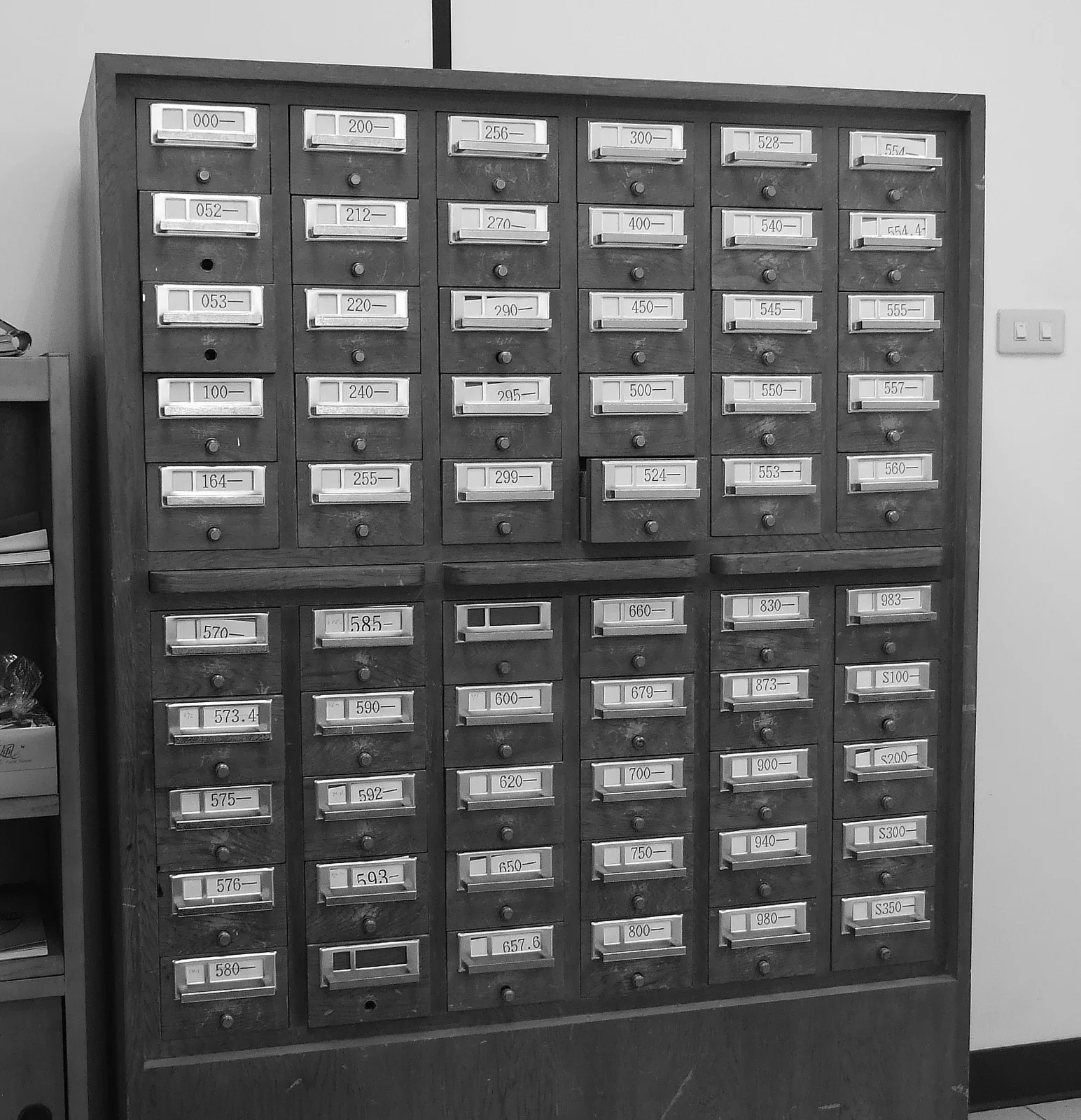
Luhmann's ninety thousand slips sit in two boxes and include the bibliography and the index. The criticism of the method predates the book that made it popular by eight years. And in 2026 several tools promising local notes plus AI stopped or split in two: Reor archived, Khoj Cloud shut down, Logseq separated into two versions.

Read more

A FINRA for frontier AI: Hassabis's framework

On 14 July 2026 Demis Hassabis published a personal manifesto on X putting AGI 'a few short years away' and proposing a US-led standards body modelled on FINRA: model review up to 30 days before release, agentic tests for guardrail bypass and deception, a board of independent experts and open-source representatives. What it contains and what it leaves open.

Read more

The machinic unconscious, taken literally: reading a language model's unspoken thoughts

Anthropic's research on the global workspace of language models gives a causal handle on a distinction philosophy has circled for a century: between the thoughts a system can report and the vast automatic substrate it cannot see. Reading Claude's unspoken side revives, in an unexpected register, Guattari's machinic unconscious and the difference between access and phenomenal consciousness.

Read more

Midjourney's total-body ultrasound scanner

On 18 June 2026 Midjourney unveiled a whole-body ultrasound scanner with reconstruction and segmentation handled by learned models. A technical look at the physics, the pipeline and the validation limits, separating the verifiable specifications from the launch claims.

Read more