Drools 4.0 as an engine for clinical rules
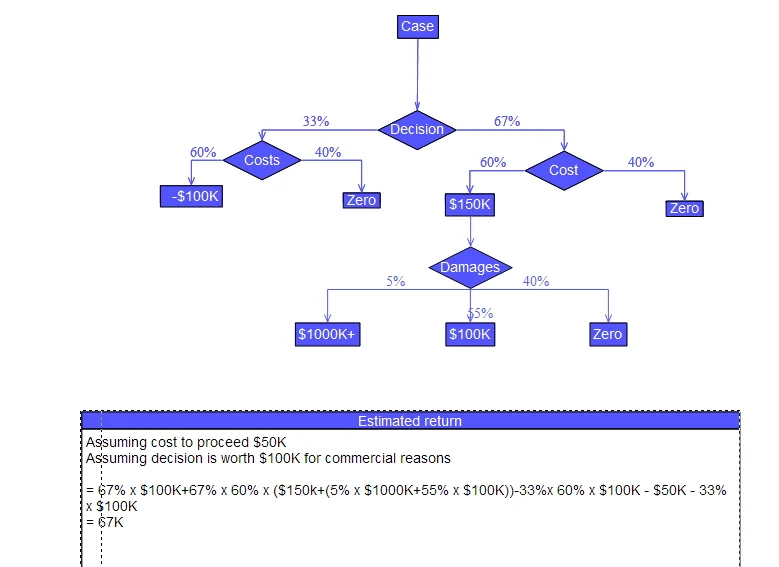
Drools 4.0 (July 2007) as an execution engine for clinical logic: the Rete algorithm, a working memory of POJOs and the unresolved data-binding problem, set against Arden Syntax and GELLO.
Read moreAI and standards for healthcare systems: FHIR, imaging, clinical decision support.
Drools 4.0 (July 2007) as an execution engine for clinical logic: the Rete algorithm, a working memory of POJOs and the unresolved data-binding problem, set against Arden Syntax and GELLO.
Read moreArden Syntax 2.5 separates clinical logic from the chart's application code, yet leaves access to local data inside non-standardised curly braces. GELLO, approved by HL7 in 2005, tries to close that gap by tying expressions to the RIM.
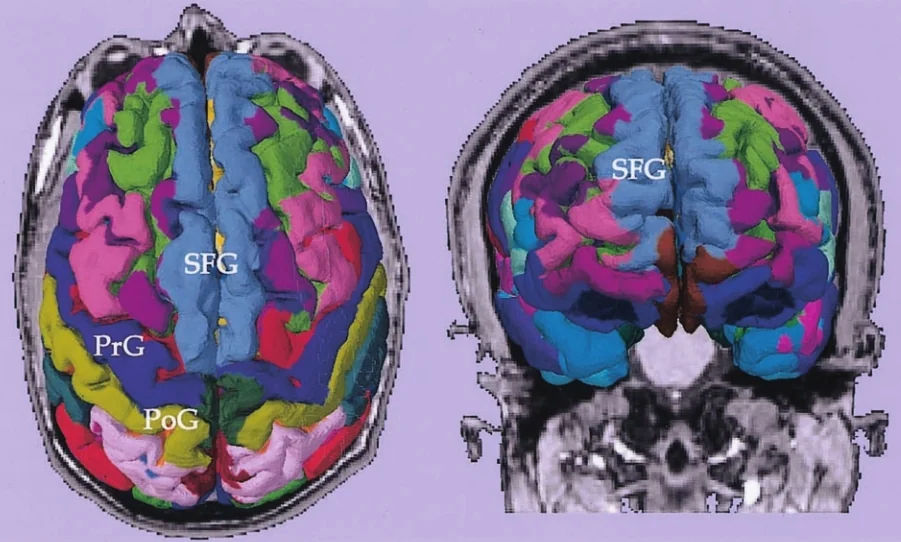
Read moreAbove ITK and VTK there is a missing layer: software a clinician can actually open and use. 3D Slicer occupies that layer, and the NA-MIC grant of September 2004 has just changed how it is built.
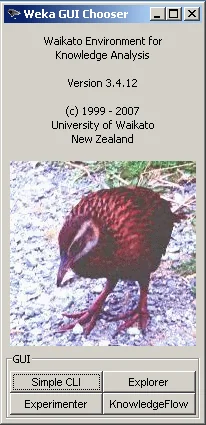
Read moreThe state of WEKA in mid-2003: the ARFF format, the bundled classifiers (J48, NaiveBayes, SMO), and why in quantitative clinical research the validation protocol weighs more than the individual algorithm.
Read moreTechnical notes on the Insight Toolkit, the C++ library funded by the National Library of Medicine under the Visible Human Project: template architecture, dataflow pipeline, CMake build and BSD licence.
Read moreWithin a few years R has become a practical tool for analysing high-dimensional gene-expression data. Technical notes on why a free statistical language fits microarrays, and on what the Bioconductor project is trying to standardise.
Read more