Which protocols for a regional tourism platform
When a region's data comes from heterogeneous sources, integration is decided on the choice of protocols. A survey of REST, gRPC, GraphQL, MQTT and the OGC standards as of January 2017.
Read moreArticles on AI governance, cybersecurity and systems architecture.
When a region's data comes from heterogeneous sources, integration is decided on the choice of protocols. A survey of REST, gRPC, GraphQL, MQTT and the OGC standards as of January 2017.
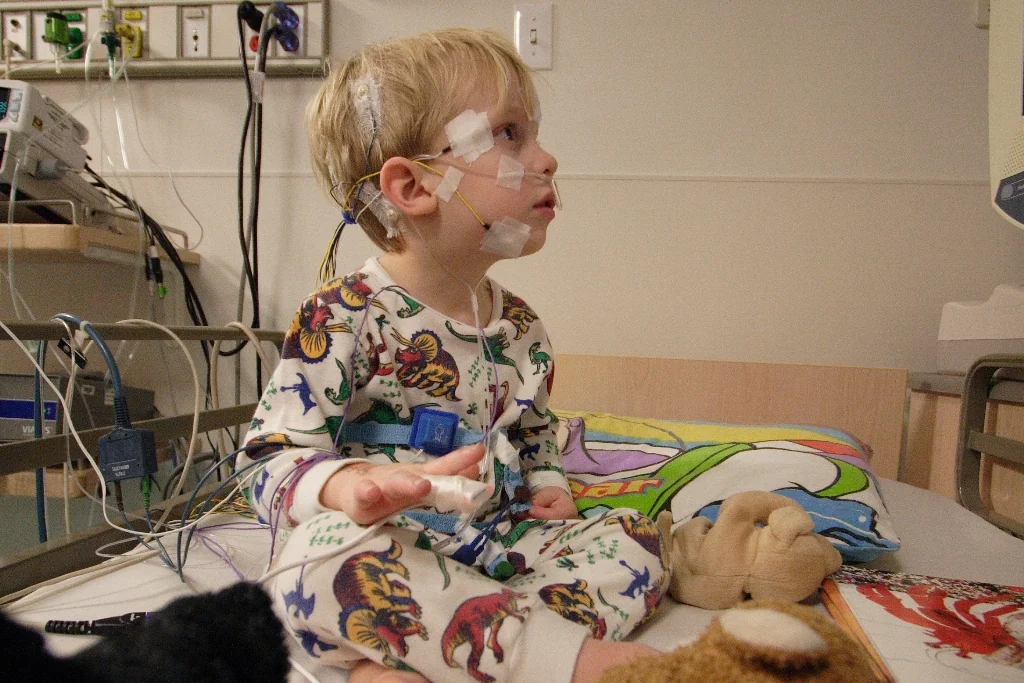
Read moreSleep stages are derived from physiological signals read according to codified rules. Scoring standards, data exchange formats, actigraphy and the EU regulatory path for sleep-analysis software as of early 2017.
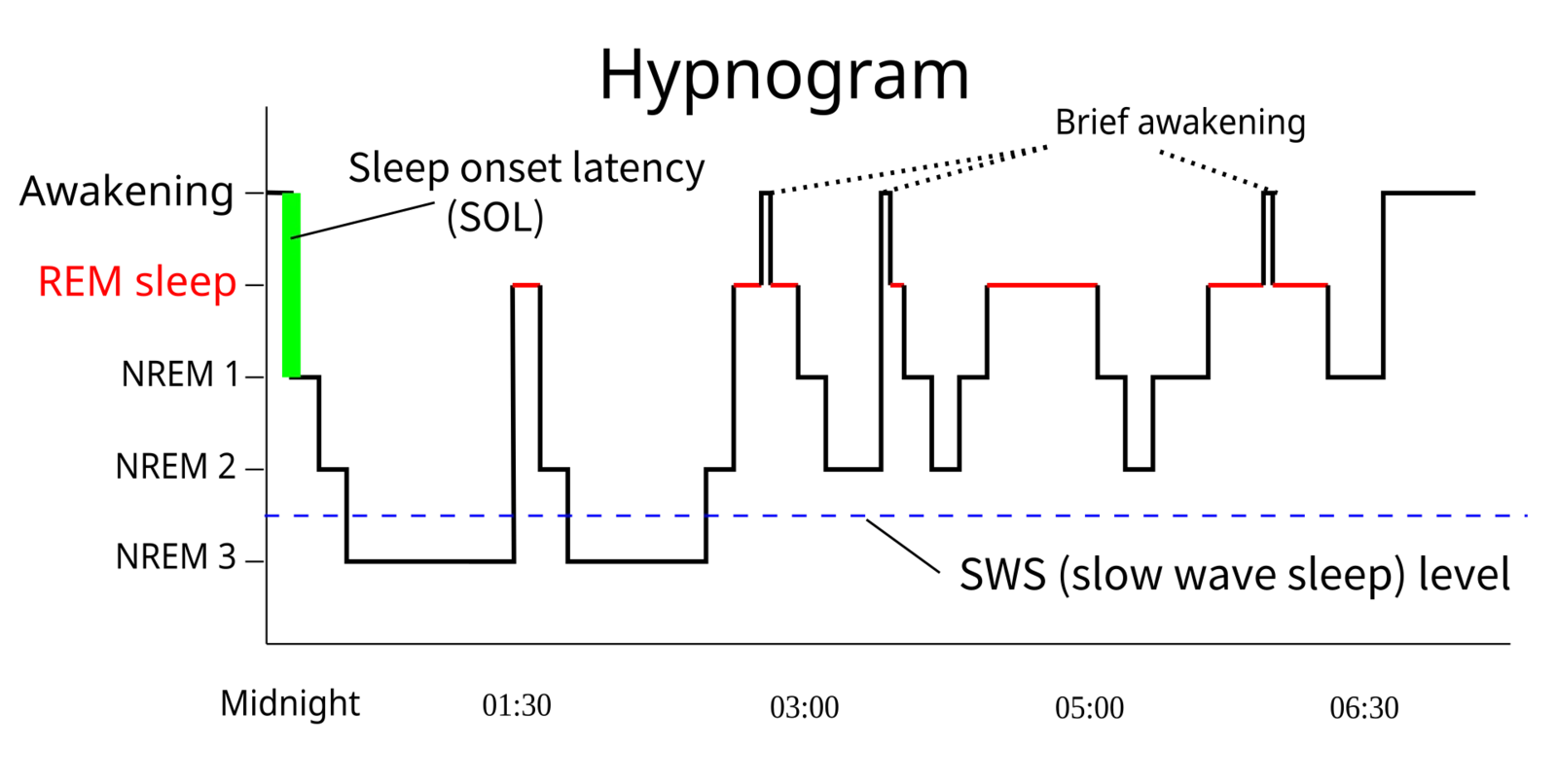
Read moreAutomatic sleep staging between the historical actigraphy rules and time-series classifiers on polysomnographic signals, constrained by class imbalance and clinical validation.
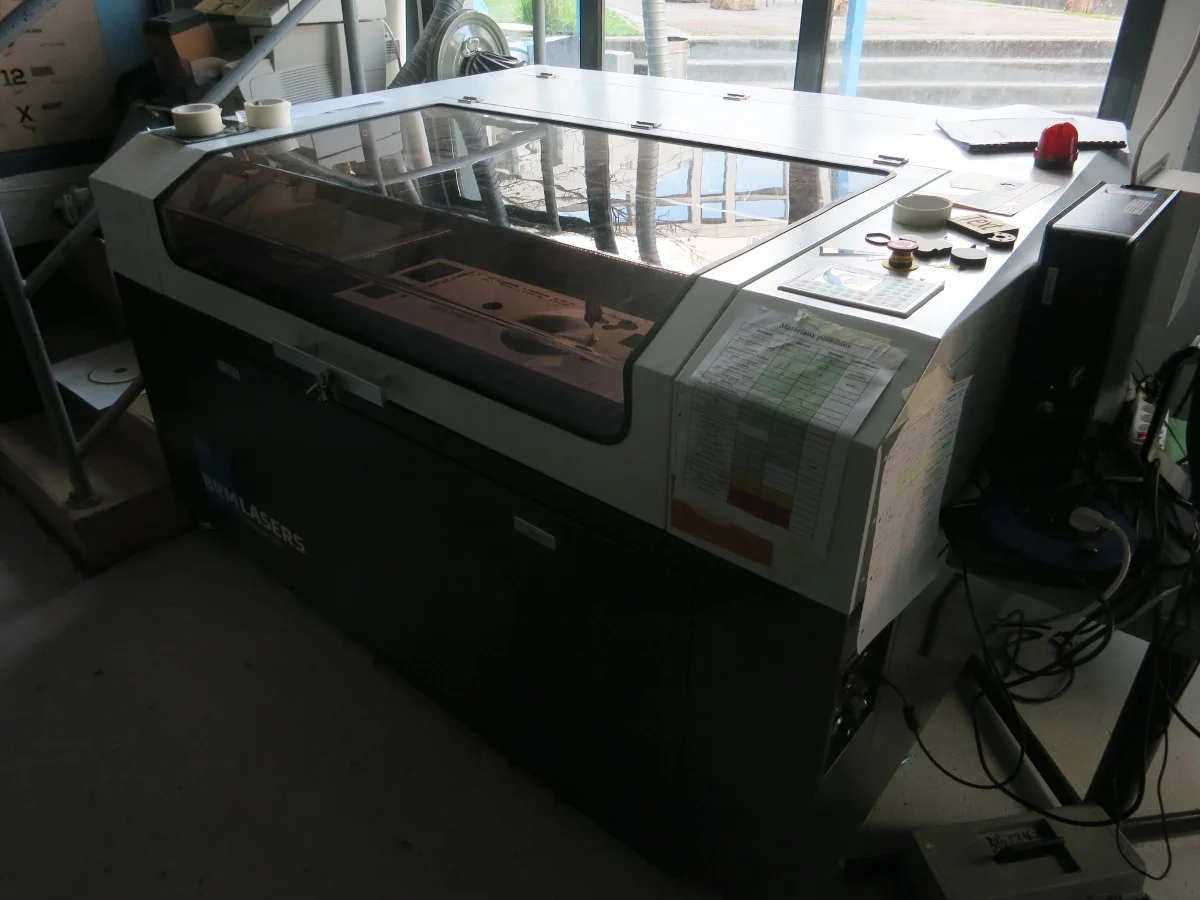
Read moreA fab lab is defined by a shared inventory of machines and a common open-source toolchain. The opening of Fab Lab Toscana in Cascina is an occasion to examine what makes the nodes of the Fab network interoperable.
Read moreSince 5 June 2013 the technical community has rewritten its assumptions about the network channel: RFC 7258, forward secrecy as a default, the withdrawal of Dual_EC_DRBG, Let's Encrypt. A review of the measurable changes in protocols.
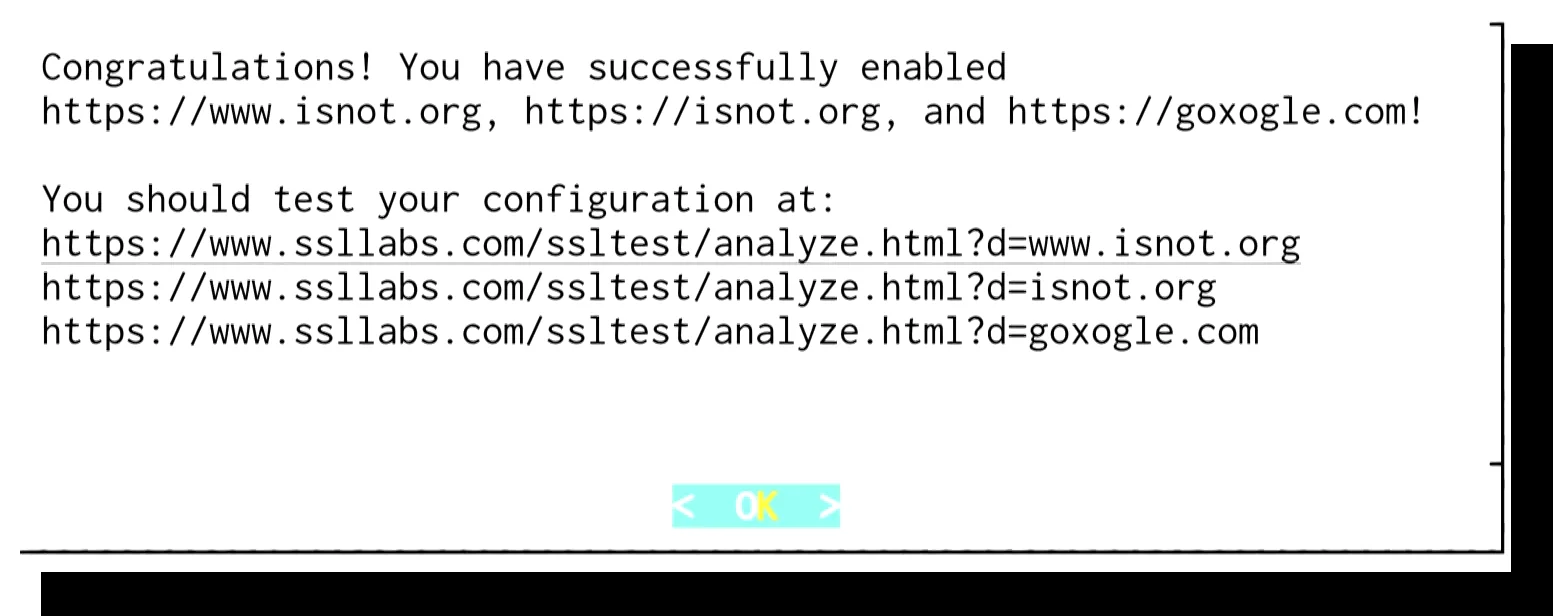
Read moreOn 12 April 2016 Let's Encrypt reached general availability. Technical notes on ACME, domain validation, 90-day certificates, and the constraint that automatic renewal places on operations.
Read moreA technical read of the Medical Imaging Interaction Toolkit at release 2016.03: the ITK + VTK stack, DataStorage as the shared data model, BlueBerry sitting on the CTK Plugin Framework and CppMicroServices, and the limits that remain on the regulatory side.
Read moreKeycloak 1.9 speaks OAuth 2.0, OpenID Connect and SAML 2.0 in a single Apache 2.0 server. Technical notes on SSO, identity brokering, LDAP federation and the limits of delegation.
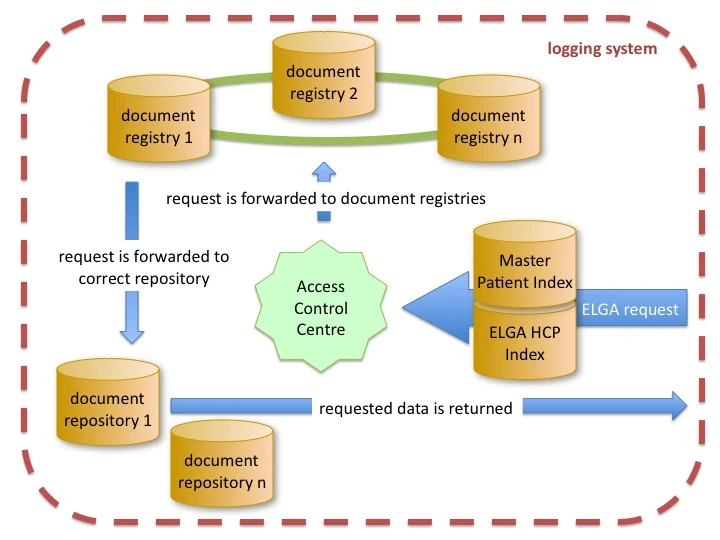
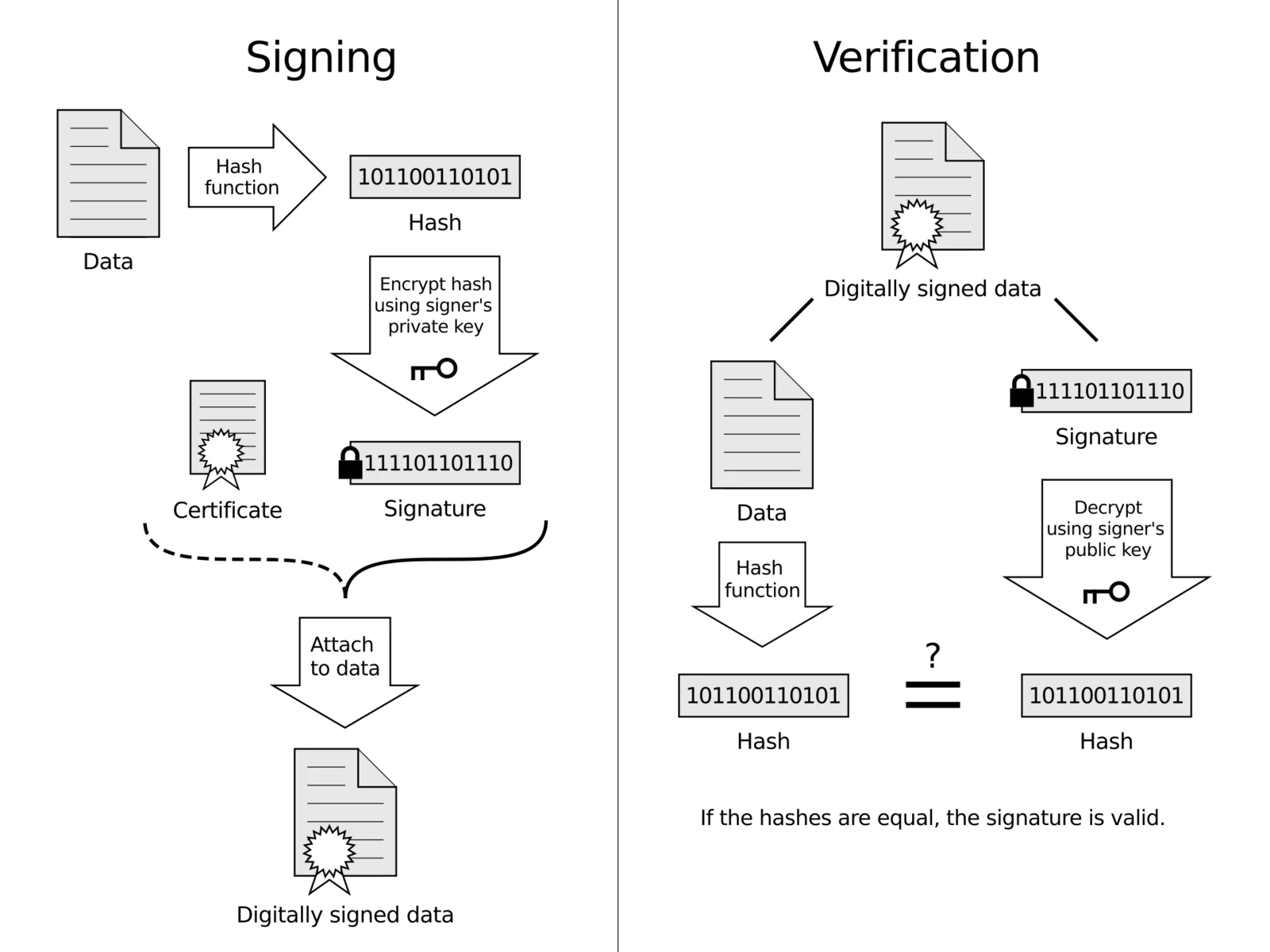
Read moreThe technical rules for Italy's Electronic Health Record set out a federated architecture built on signed CDA R2 documents and IHE XDS.b/XCA profiles, with INI as an interoperability gateway between regional records.
Read moreRFC 7519 was published in May 2015 and fixes the JSON Web Token format. Technical notes on the structure, the registered claims, and the two classes of bug Tim McLean disclosed in March.
Read moreOn 26 March 2015 Facebook published the iOS version of React Native on GitHub. Technical notes on native rendering, the asynchronous bridge, and the limits known so far.
Read moreWith version 5.0 (31 March 2015) the 6to5 transpiler, renamed Babel, opens a plugin API and adopts the TC39 process stages. Technical notes on the AST architecture and the chosen defaults.
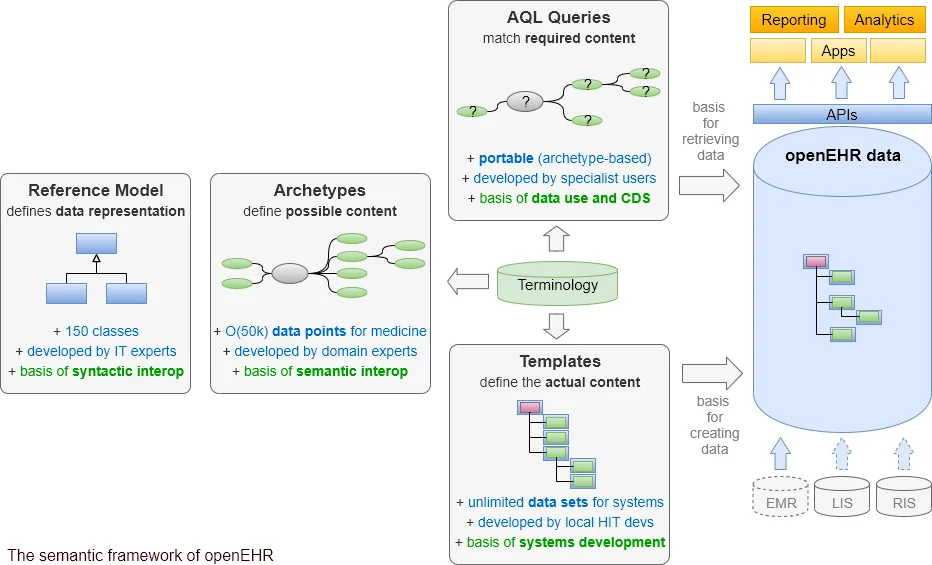
Read moreA stable Reference Model underneath, clinician-governed archetypes in ADL on top. How openEHR keeps the software model separate from clinical concepts, and what that costs and yields for interoperability and maintenance.
Read moreGraylog 1.0, released 17 February 2015, keeps the search index (Elasticsearch) separate from configuration metadata (MongoDB). Notes on GELF, syslog ingestion, streams, and extractor ordering.
Read moreOn 29 October 2014 Facebook released osquery, which exposes a system's processes, sockets and files as queryable SQL tables. Technical notes on its architecture and limits.
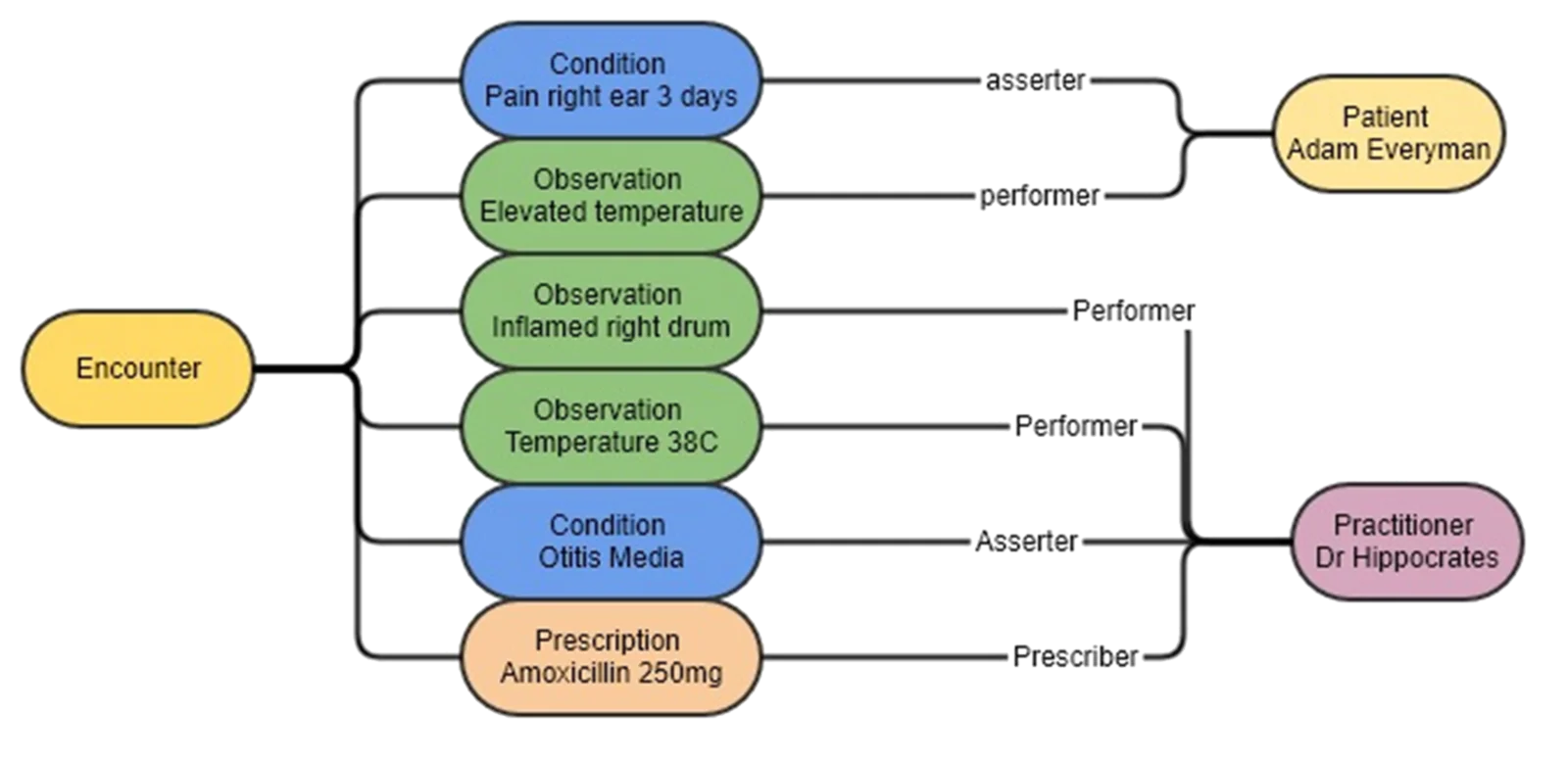
Read moreFHIR DSTU 1 (v0.0.82) exposes clinical entities as REST resources in XML or JSON. Reading notes on its design choices against HL7 v2 and CDA R2.
Read moreHow to read a personal radiofrequency electromagnetic field sensor from a Chrome app over a USB serial port, and why V/m readings only become legible next to the thresholds of ICNIRP 1998 and the Italian DPCM of 8 July 2003.
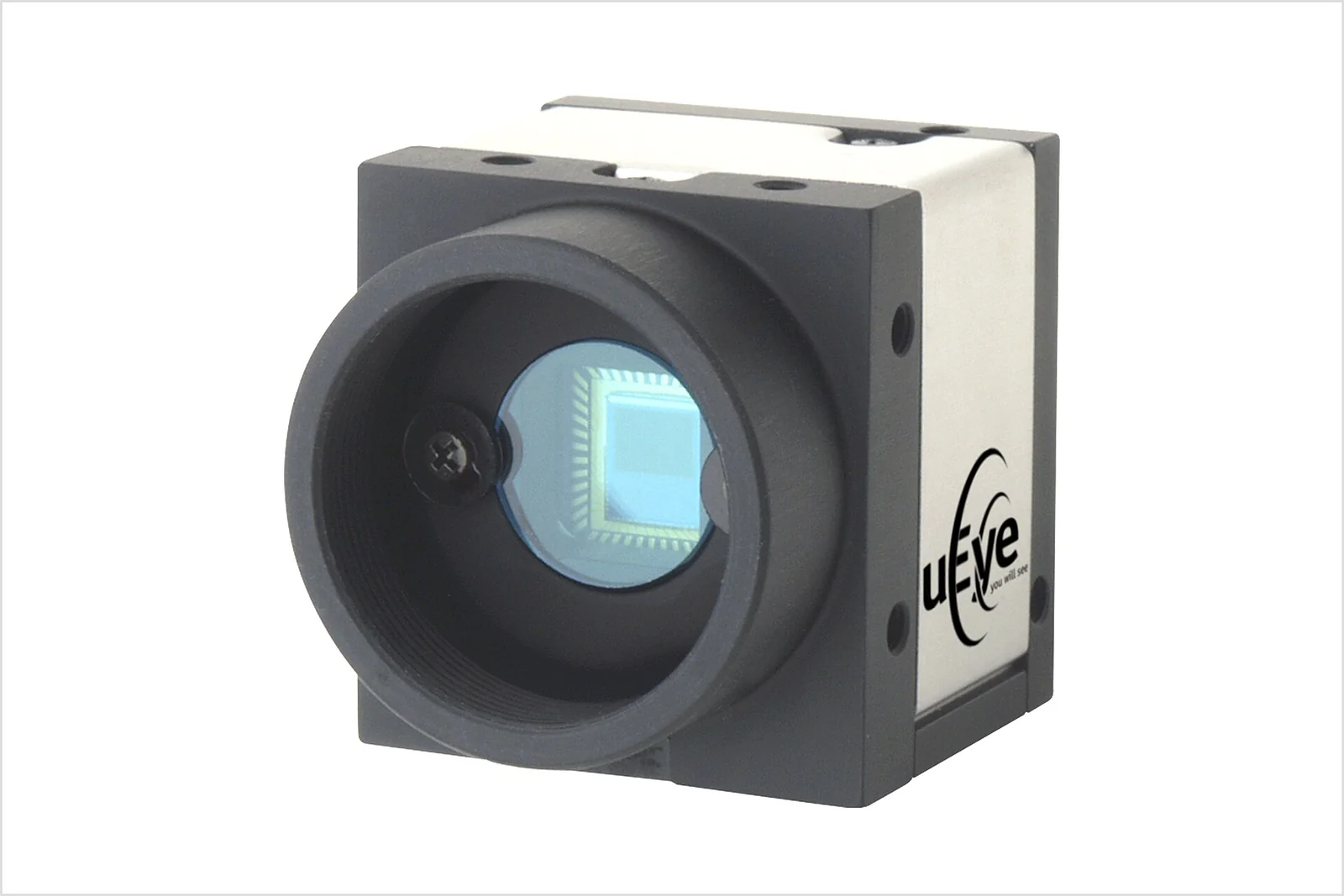
Read moreOn a production line that uses machine learning to catch defects, the result depends more on the labels and on optical stability than on the algorithm. Technical notes on features, models and operational constraints.
Read moreOn 19 February 2014 webpack reached version 1.0. Its graph, loaders and code splitting address problems left open by browserify and RequireJS.
Read moreHugo 0.9.0 builds a static site from Markdown with no external runtime: a single Go binary, the Blackfriday engine, html/template, indexes for taxonomies. Technical notes from a hands-on trial.
Read more