
Recognising an agent before you can stop it
Governing an autonomous agent needs three primitives: identification, diagnosis, intervention. They sit at very different levels of maturity, and the asymmetry is the main operational constraint.
Read moreArticles on AI governance, cybersecurity and systems architecture.
Governing an autonomous agent needs three primitives: identification, diagnosis, intervention. They sit at very different levels of maturity, and the asymmetry is the main operational constraint.
Read moreThe Italian Ministry of Health decree of 7 September 2023 (Official Gazette no. 249 of 24 October 2023) introduces the Sogei-run Gateway and the regional Healthcare Data Ecosystem. Document formats, IHE profiles and the FSE 2.0 feeding model as of September 2024.
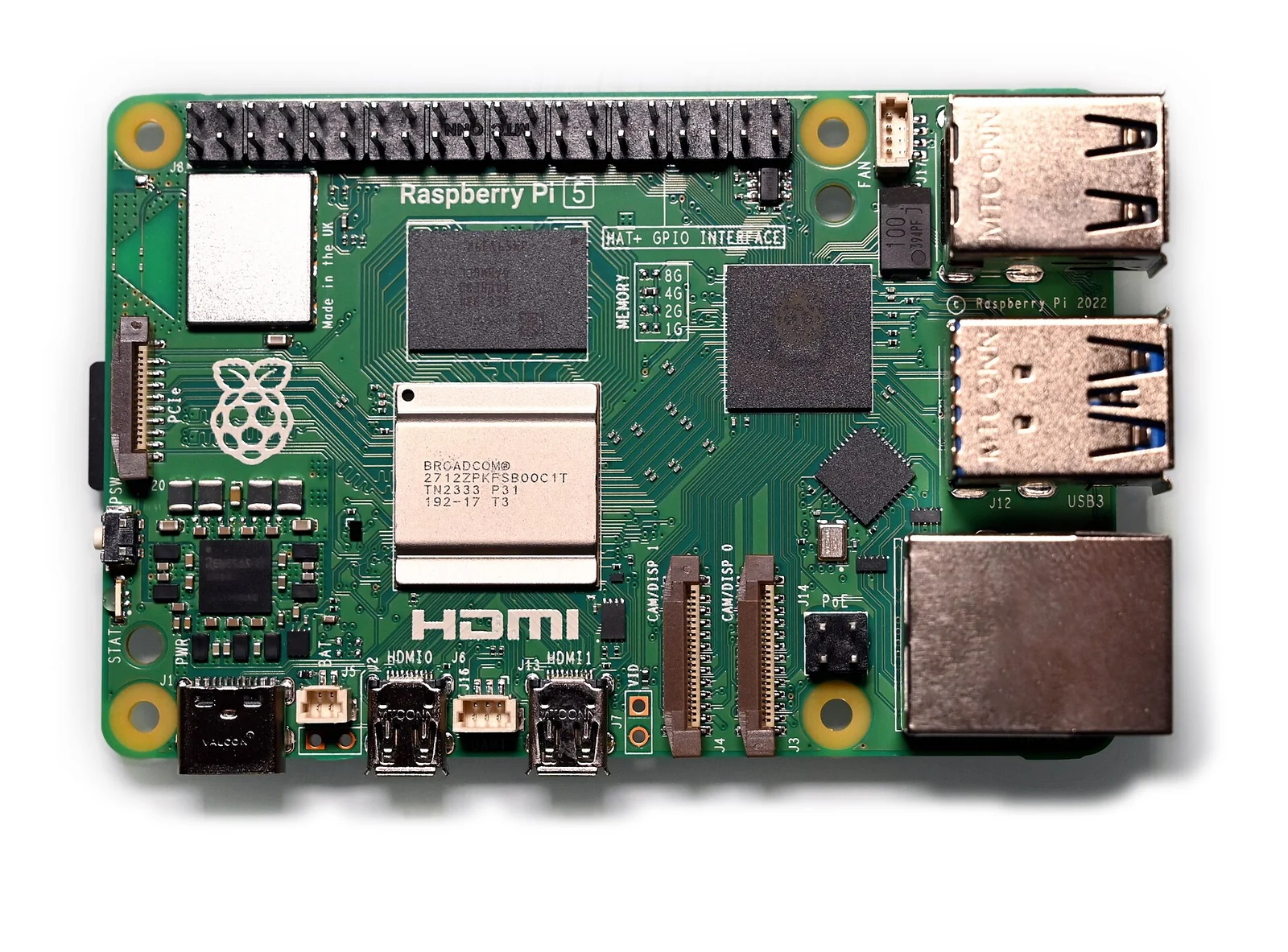
Read moreWith the 1-4 billion parameter models released in April 2024 and GGUF quantisation, a Raspberry Pi 5 runs an LLM with no connection. That is a constraint of architecture, not a performance figure: text that never leaves the device is subject to no transfer at all.
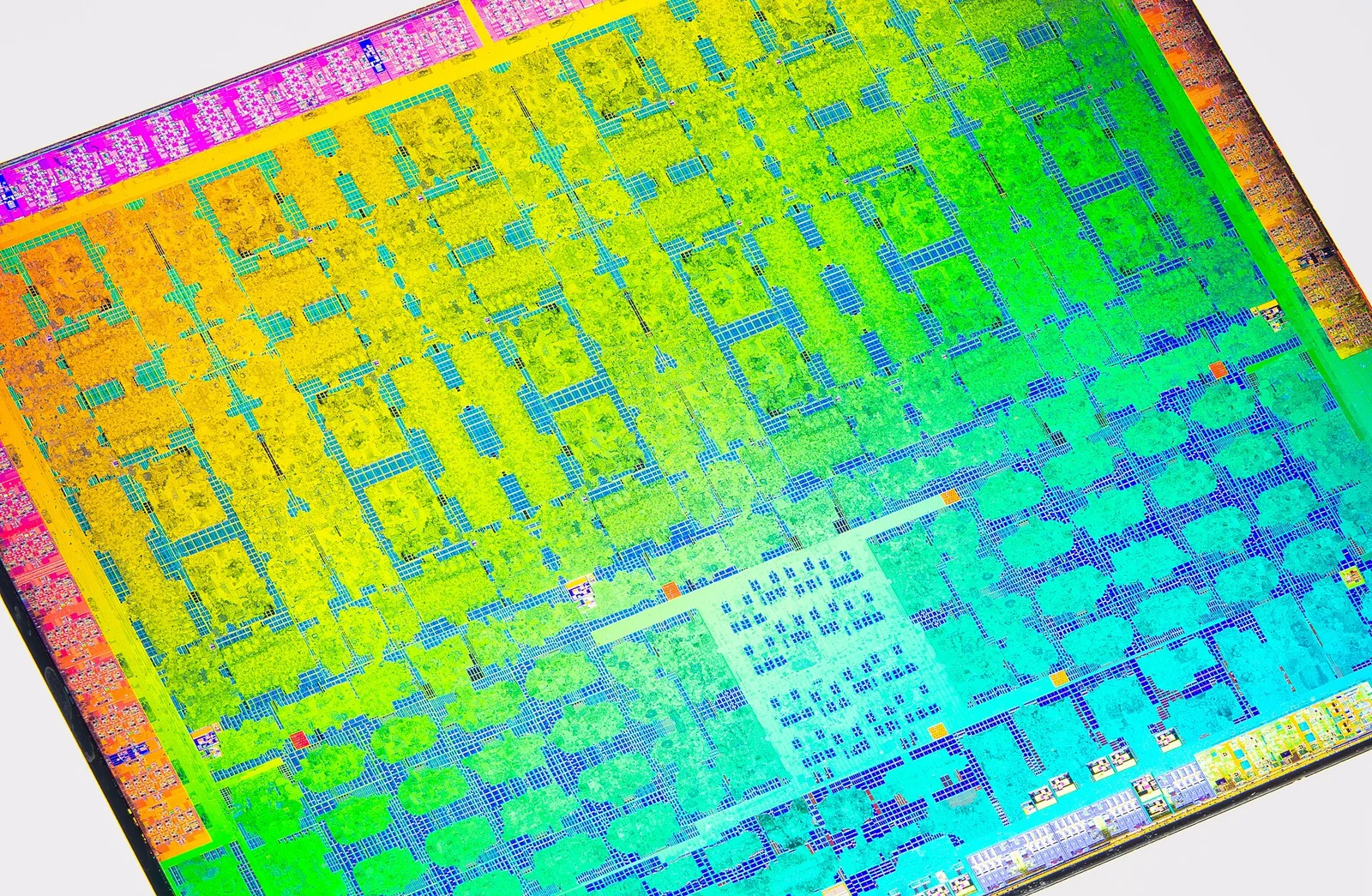
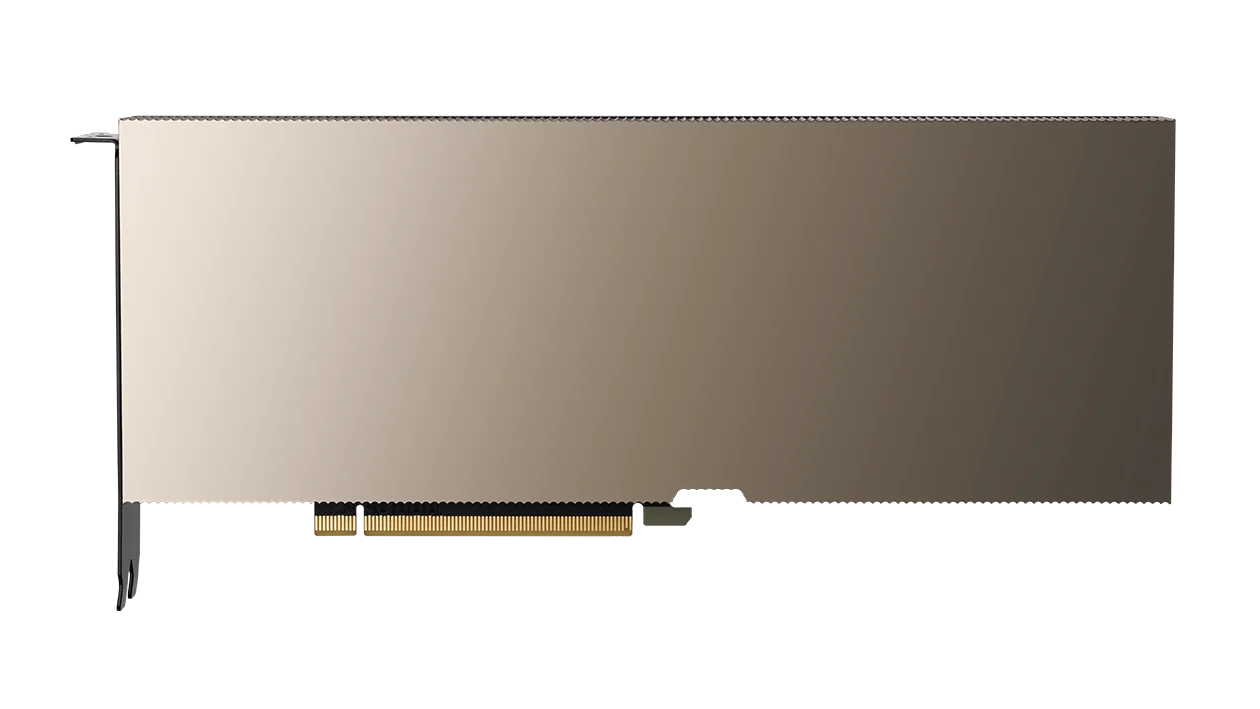
Read moreNVIDIA's Linux GPU kernel modules have been open source since 2022, but the boundary of that openness runs through the GSP and the closed CUDA user space. What stays proprietary, and why the open driver depends on a closed firmware.
Read moreThe International Patient Summary (EN ISO 27269) defines what a patient summary contains; MyHealth@EU how it travels between Member States. Why keep the two layers apart, and why semantic mapping stays the fragile part.
Read moreApplying graph neural networks and quantum annealing to grid control opens a verifiability problem that accuracy metrics do not cover.
Read moreTinyLlama 1.1B releases weights, code, datasets and intermediate checkpoints under Apache 2.0. For governance the value lies in the chain from data to weights, inspectable step by step, regardless of model size.
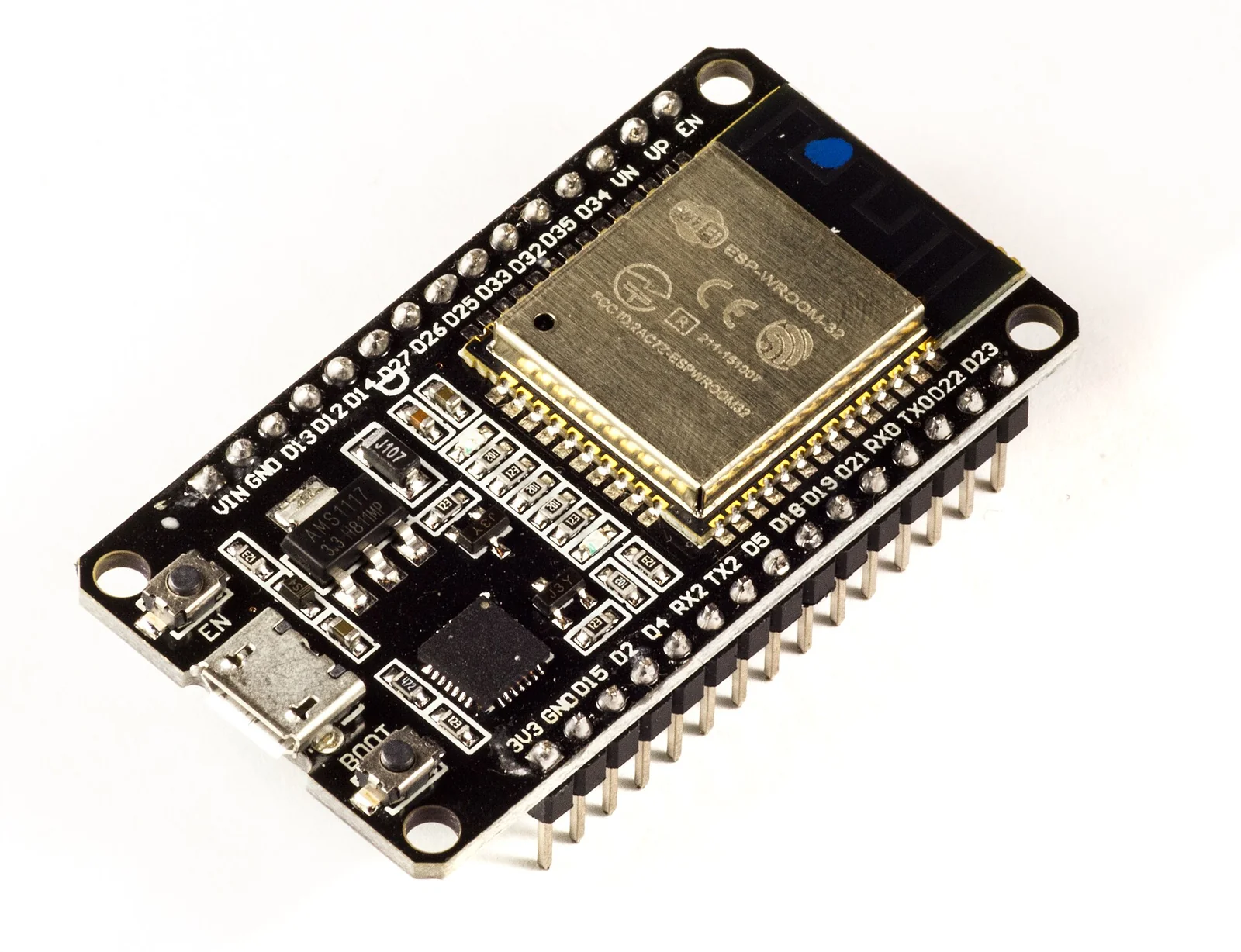
Read moreThe regulatory line between an ESP32 + MQTT node carrying a MAX30102 sensor and a medical device under Regulation (EU) 2017/745. What changes between a telemonitoring demo and something you can put in a patient's hands.
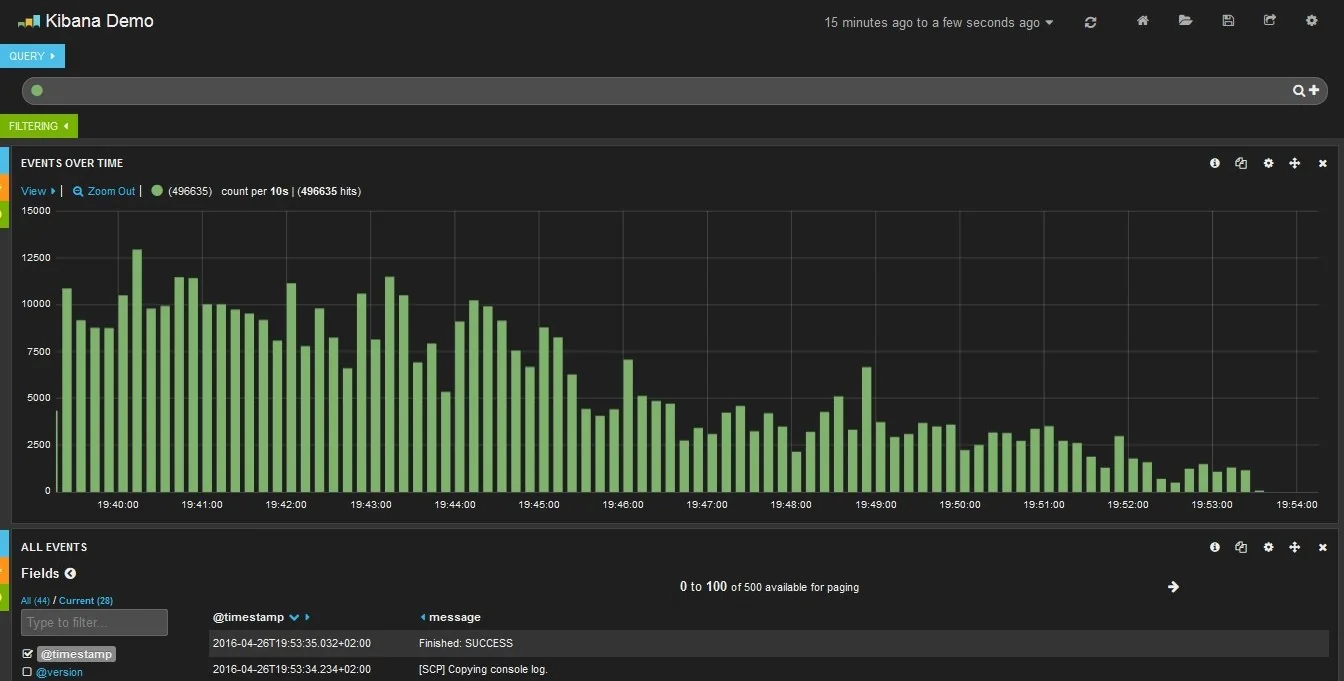
Read moreWith the 2.4 series Security Onion collects host data from a single Fleet-managed Elastic Agent, in place of Wazuh, Beats and osquery. Technical notes on architecture, Salt orchestration and licensing.
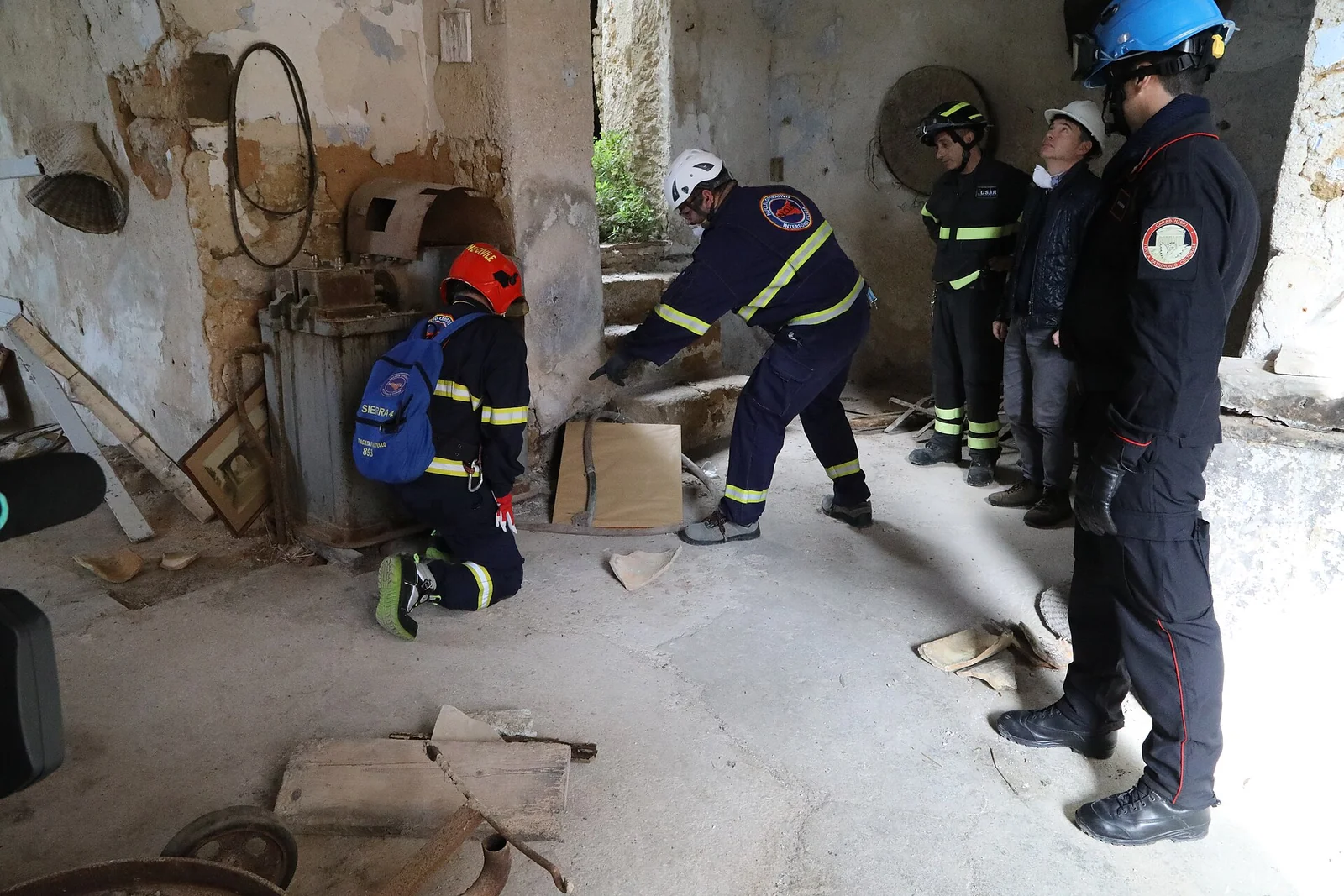
Read moreThe European VALKYRIES project closes in September 2023. The recurring technical problem is semantic: emergency services from different countries lack a shared vocabulary, before they lack the technology to exchange it.
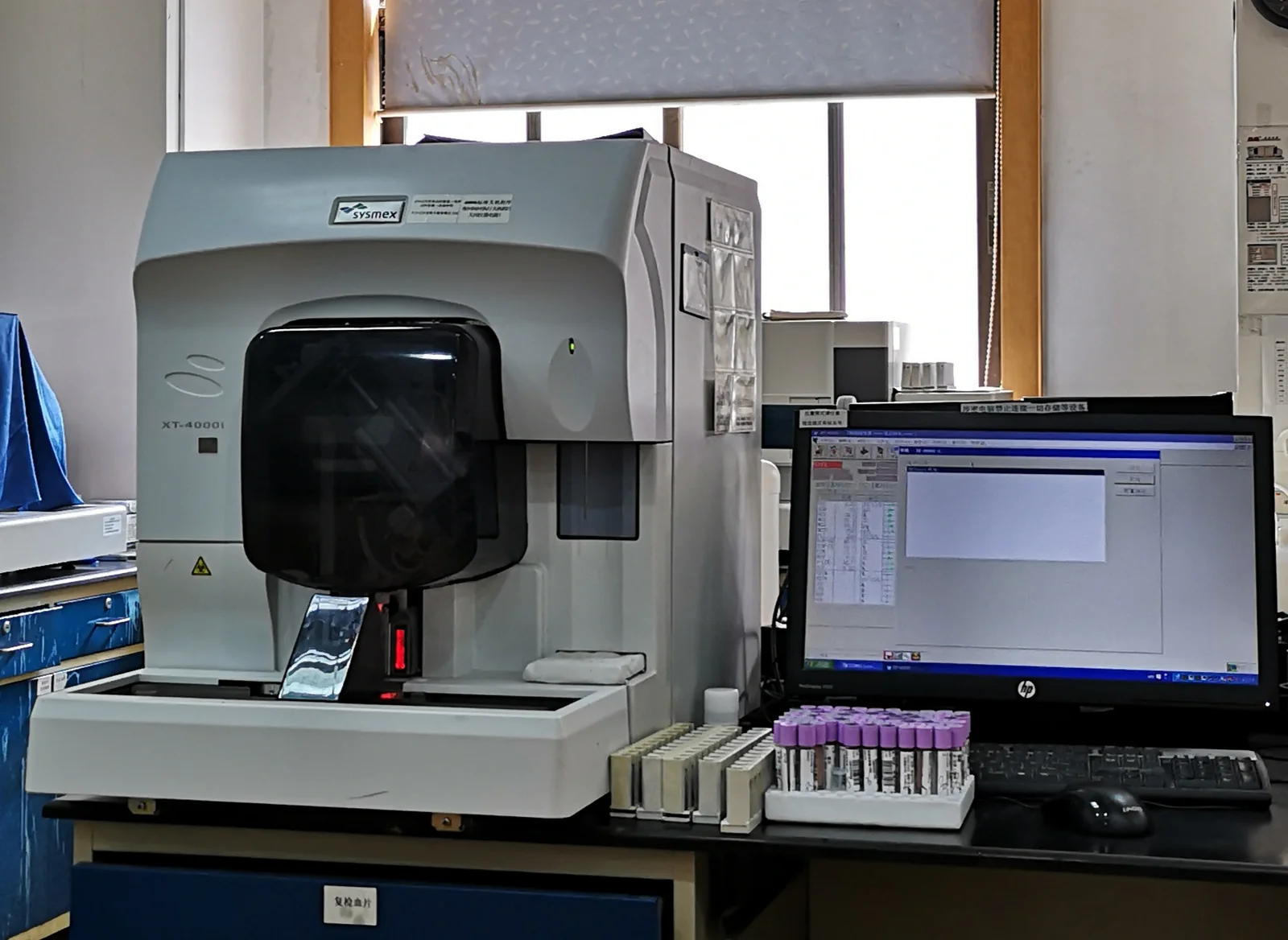
Read morePlacing a deep-learning prediction into the data flow of a Total Laboratory Automation system imposes constraints on protocols, latency and traceability that come before the quality of the model.
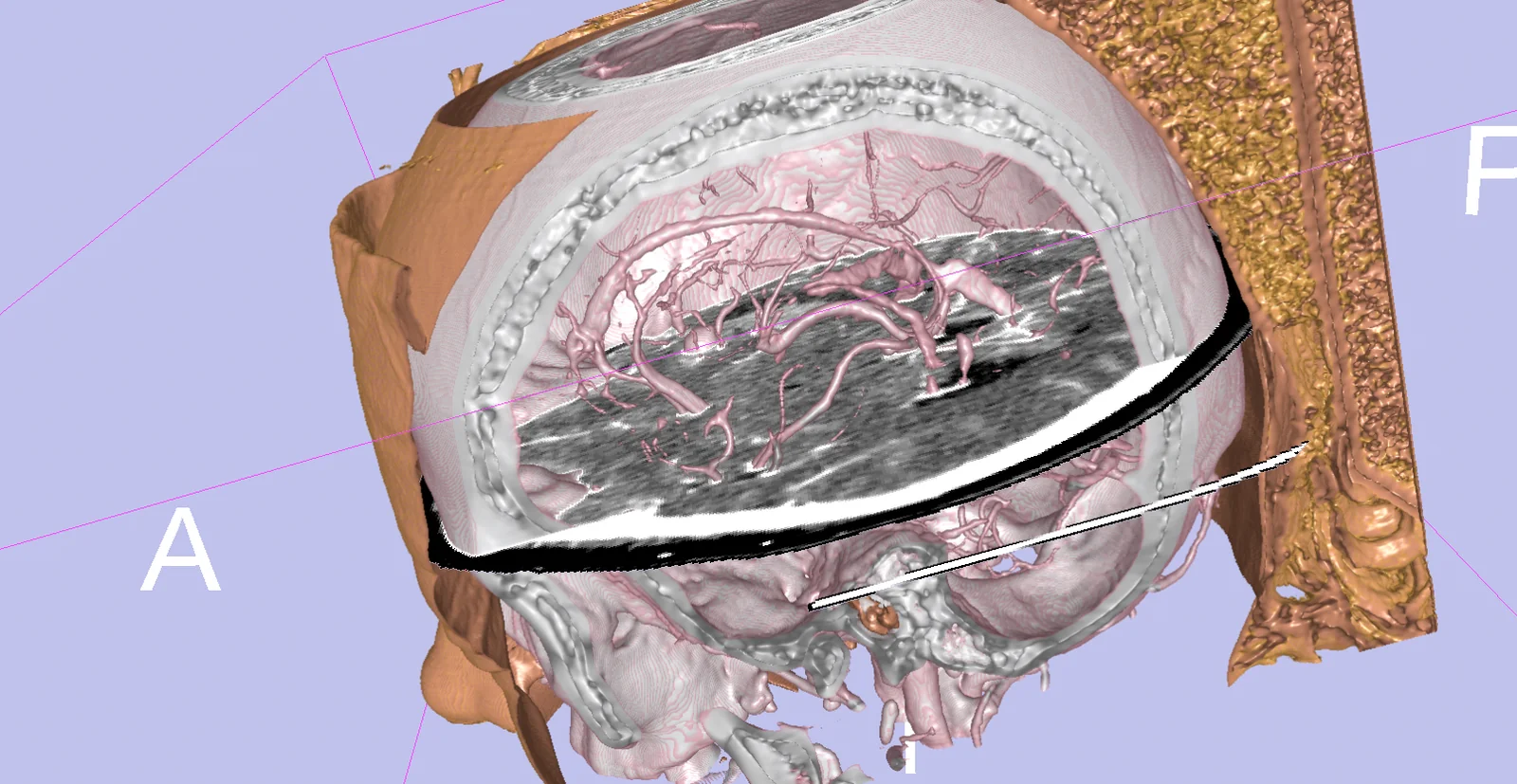
Read moreMONAI Label moves the cost of medical annotation from manual drawing to correcting a proposal: a REST server, plugins for 3D Slicer and OHIF, and active learning driven by model uncertainty.
Read moreWith 2.0 the declarative layer derives columns from PEP 484 annotations and the select() API becomes the single form for Core and ORM. What actually changes for anyone maintaining a Python application.
Read moreOpenSearch 2.4 (15 November 2022) brings the experimental Security Analytics plugin: detectors, field mapping, and 2,000+ pre-packaged Sigma rules translated into queries on top of the alerting engine already present.
Read moreTechnical notes from the close of SMARTOUR: what it takes to move a multi-tenant Kubernetes system from lab prototype to verifiable deliverable, across headless portals and a standards-drift debt.
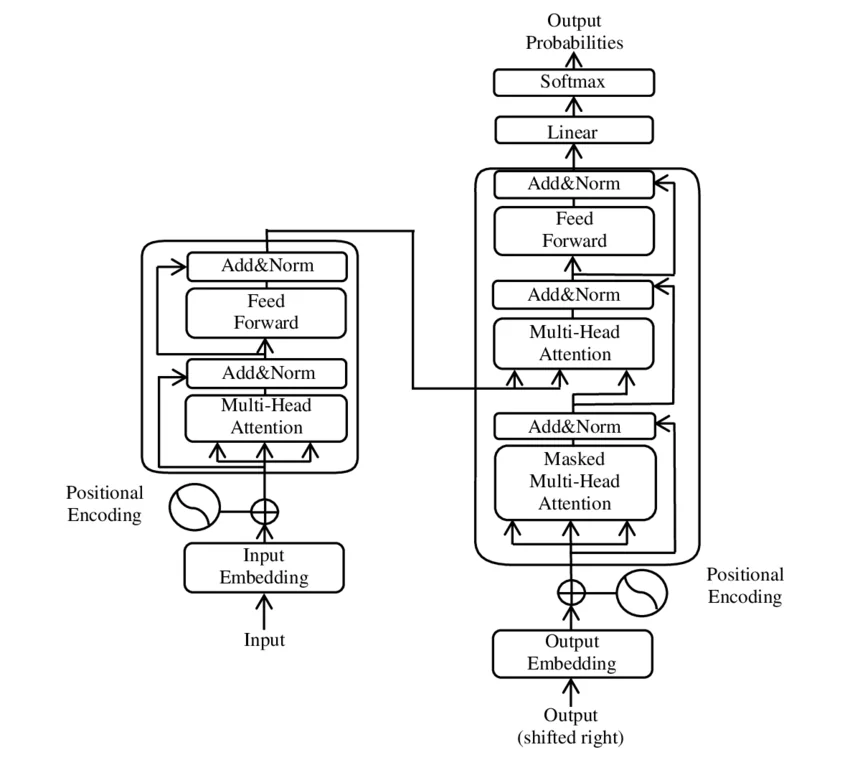
Read moreBioBERT, ClinicalBERT and PubMedBERT differ in corpus, vocabulary and domain. A technical reading of their pre-training choices and the measurable effect on clinical tasks.
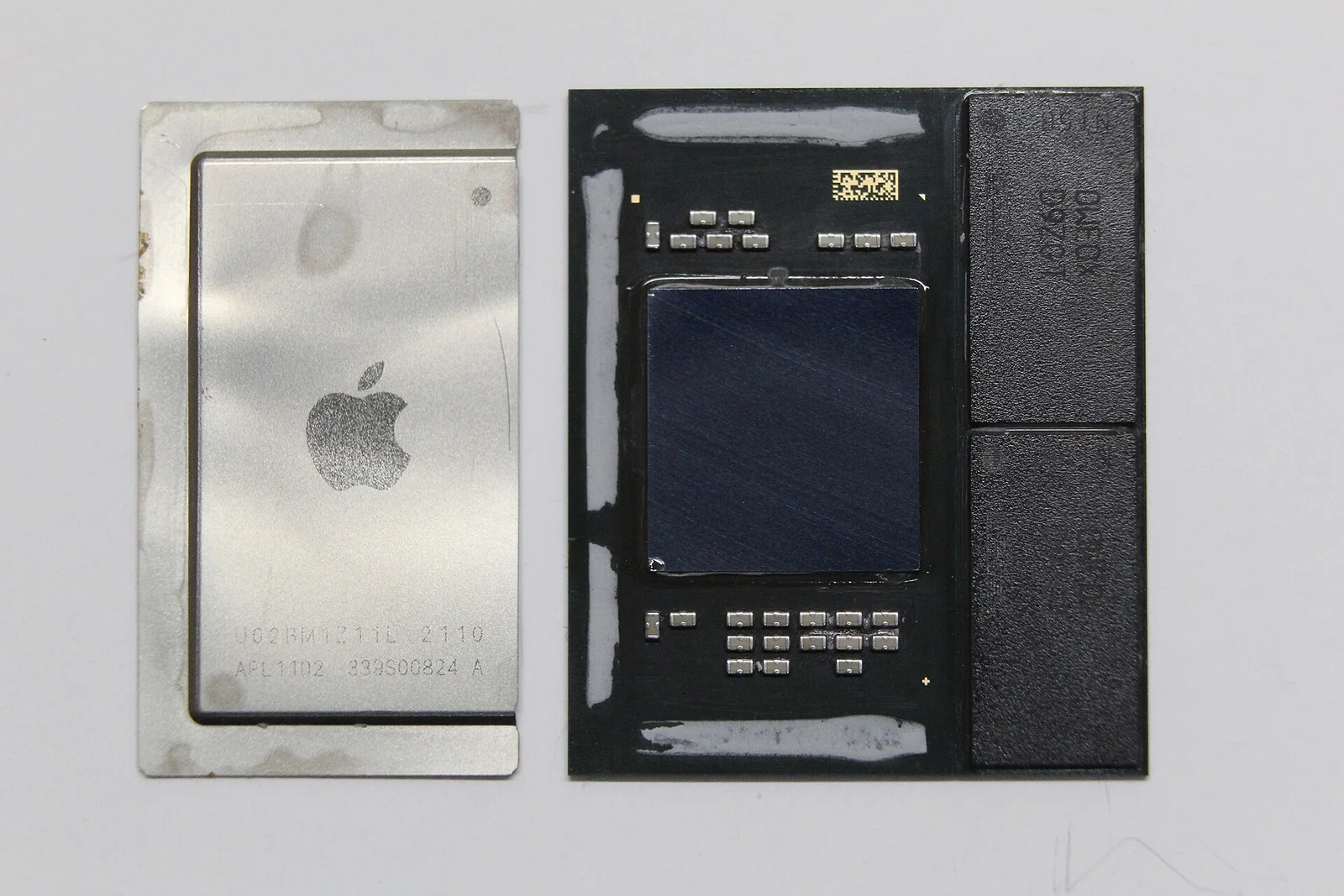
Read moreMetal is an explicit, low-overhead model for rendering and compute on Apple GPUs, with a single shader language and unified memory on Apple Silicon. Notes on MSL, MPS/MPSGraph and Metal 3 after WWDC 2022.
Read moreItaly's FSE 2.0 plan, presented to the State-Regions Conference in the briefing of 2 March 2022, shifts the Electronic Health Record from a document-centric CDA R2 model to a data model based on HL7 FHIR and regional Health Data Ecosystems. The technical knots of the transition.
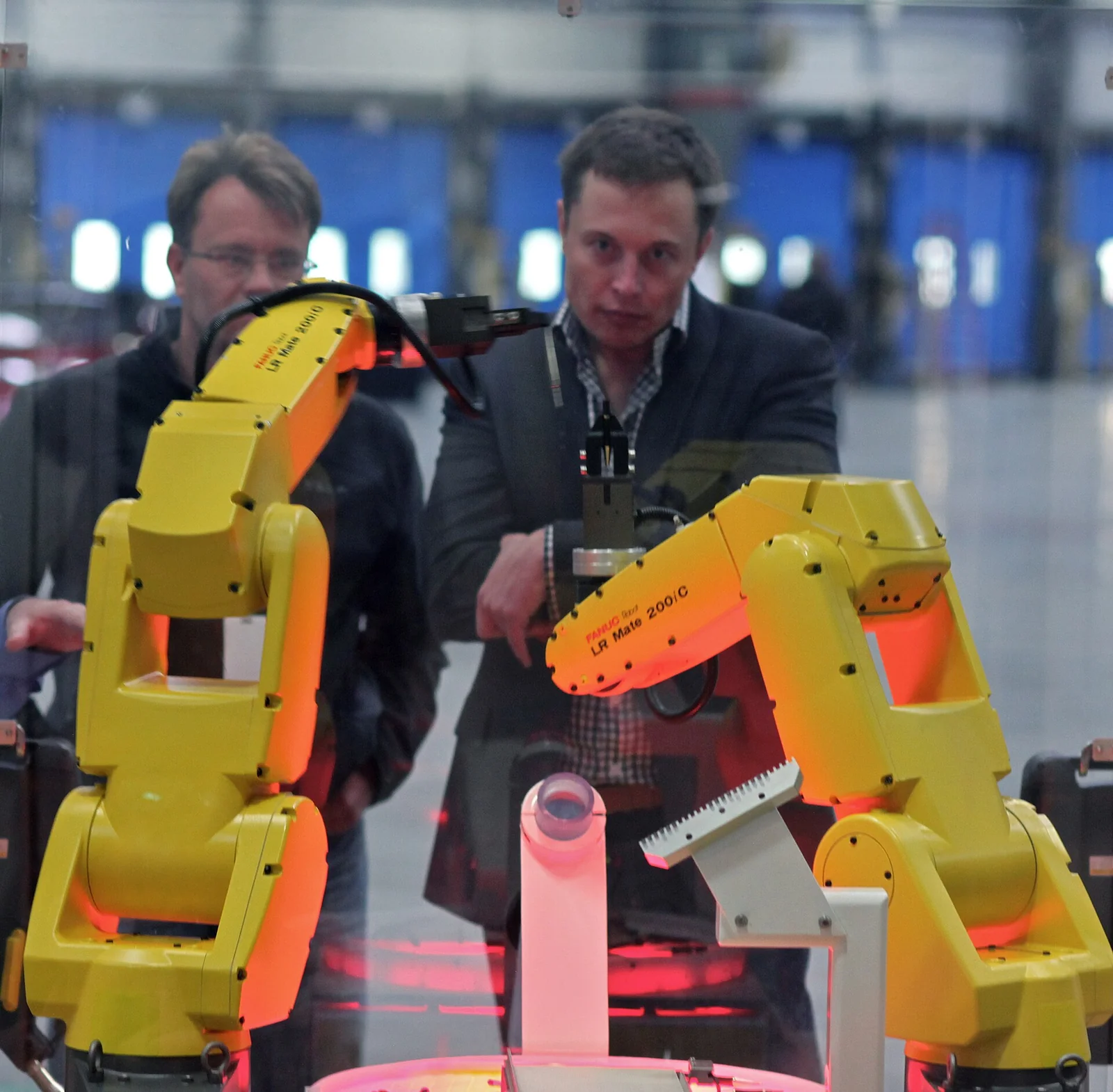
Read moreEvery industrial robot maker has its own language. A shared model that crosses brands can be built, but the level you bind it to decides what becomes portable.
Read moreOn 9 February 2022 EleutherAI released GPT-NeoX-20B under Apache 2.0, with weights, training code and a corpus datasheet. A note on release governance and reproducibility.
Read more